
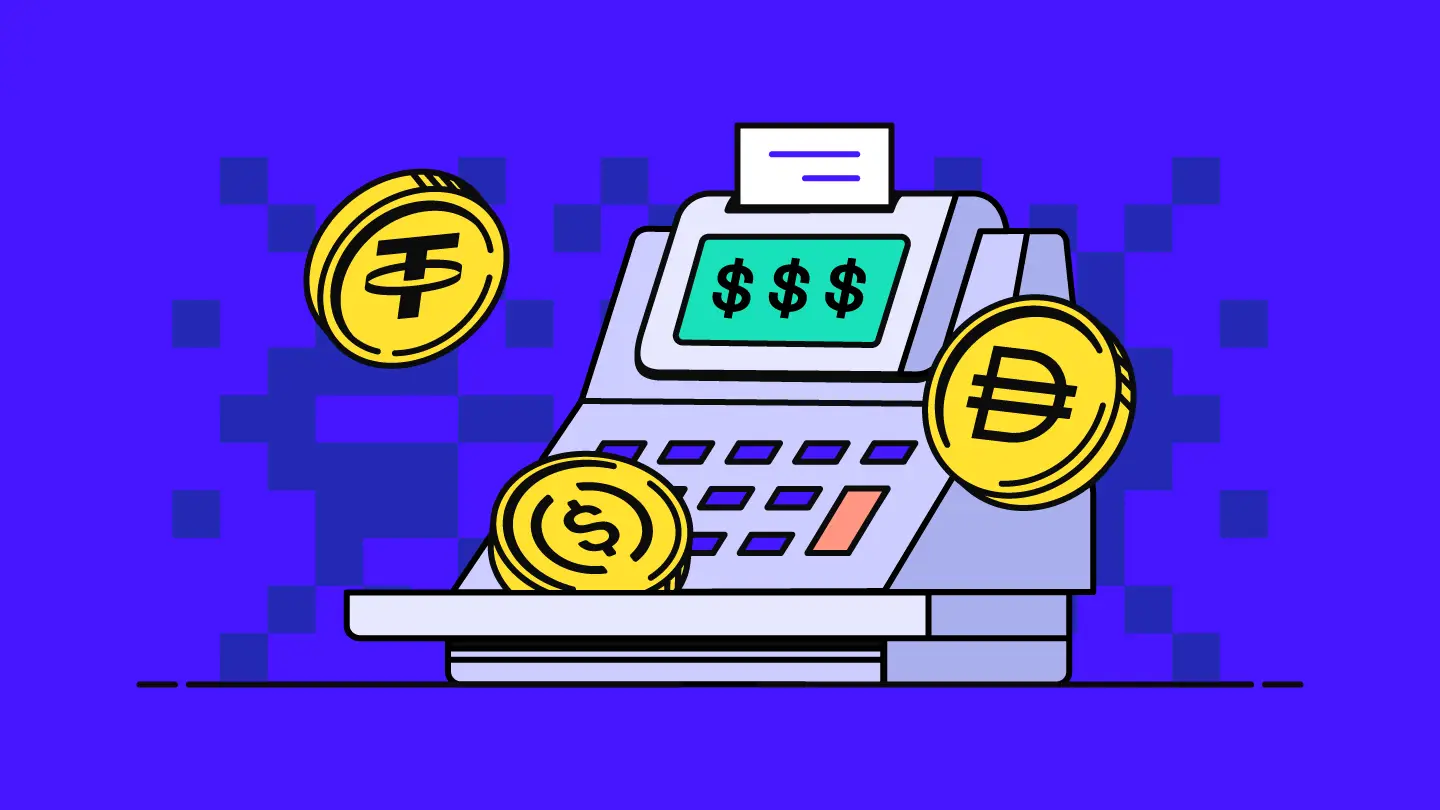
How stablecoin top-ups work
Funding a card or wallet via stablecoins involves converting digital assets into spendable value. Stablecoins like USDC and USDT are pegged 1:1 to fiat, making them ideal for predictable top-up values without currency fluctuation risk.
There are two primary mechanisms for these top-ups. The first is a direct on-chain transfer, where you move stablecoins from a personal wallet to a merchant’s or card issuer’s wallet address. This method relies entirely on blockchain infrastructure and requires the recipient to support direct crypto deposits. The second mechanism uses a fiat-to-crypto on-ramp, where a service provider handles the conversion and compliance checks behind the scenes. This approach often feels more like a traditional bank transfer to the user, as the provider manages the regulatory reporting and liquidity.
Compliance is the defining factor in choosing between these methods. Direct transfers may bypass some intermediary checks, but on-ramps are typically regulated financial entities that enforce Know Your Customer (KYC) and Anti-Money Laundering (AML) standards. For high-stakes transactions, using a regulated on-ramp ensures that the top-up process meets legal requirements in your jurisdiction. Always verify that the provider holds the necessary licenses to operate as a money transmitter or virtual asset service provider.


As an Amazon Associate, we may earn from qualifying purchases.
Top compliant top-up providers
Selecting a stablecoin top-up tool requires balancing regulatory safety with transaction speed. The infrastructure landscape is dominated by licensed payment processors that have integrated blockchain rails into their existing fiat networks. These providers act as the bridge, ensuring that funds move from traditional banking systems to digital wallets without exposing users to unregulated exchanges.
Compliance is the primary differentiator. Providers like Stripe and Visa operate under strict financial licenses, offering KYC (Know Your Customer) and AML (Anti-Money Laundering) frameworks that are essential for businesses and high-volume users. For developers building applications, APIs from companies like Crossmint and Triple-A provide the necessary backend orchestration to handle these complex compliance checks automatically.
Comparison of leading providers
The table below compares four major infrastructure providers based on their supported networks, regulatory standing, and typical fee structures. This comparison focuses on their ability to facilitate compliant stablecoin top-ups for USDC and other major digital assets.
| Provider | Supported Chains | Regulatory Framework | Fee Structure |
|---|---|---|---|
| Stripe | Ethereum, Polygon | US Licensed Money Transmitter | Pay-per-use, variable |
| Visa | Ethereum, Polygon, Solana | Global Financial Network | Volume-based, negotiated |
| Crossmint | Ethereum, Polygon, Solana, Base | US & EU Compliant APIs | Per-transaction, tiered |
| Triple-A | Ethereum, Polygon, BSC | Enterprise-grade KYC/AML | Custom, volume-dependent |
Stripe: The fiat bridge
Stripe has integrated stablecoin payouts directly into its Express platform, allowing businesses to receive payments in USDC. This integration is particularly valuable for platforms that already rely on Stripe for fiat processing, as it reduces the need for separate crypto infrastructure. Stripe’s compliance with US financial regulations provides a layer of trust that is critical for enterprise adoption.
Visa: Institutional scale
Visa’s stablecoin solutions are designed for banks, fintechs, and wallets seeking to leverage programmable money for cross-border payments. By partnering with licensed issuers and processors, Visa ensures that stablecoin transactions adhere to existing financial standards. This approach prioritizes security and stability over experimental features, making it a safe choice for institutional players.
Crossmint: Developer-first infrastructure
Crossmint offers a comprehensive suite of APIs for enterprises to launch stablecoin payments, wallets, and on-ramps. Its platform is built to handle the complexity of multi-chain support, including Ethereum, Polygon, and Solana. By embedding compliance tools directly into its API, Crossmint allows developers to build secure, regulated crypto experiences without managing the underlying regulatory overhead.
Triple-A: Specialized top-up solutions
Triple-A focuses specifically on enabling instant stablecoin top-ups for applications and wallets. Their service is tailored for platforms that need to allow users to fund accounts easily with trusted digital dollar assets. By specializing in this niche, Triple-A provides streamlined integration options for businesses that prioritize user experience and rapid funding.
Choosing the right infrastructure
When evaluating these providers, consider the regulatory jurisdiction of your business. US-based entities should prioritize providers with clear MSB (Money Services Business) registrations. For global reach, Visa’s network offers the broadest acceptance, while Crossmint and Triple-A provide more flexible, developer-centric tools for niche applications. Always verify the latest supported chains and fee schedules directly with the provider, as these details change frequently with market conditions.
Choosing the right network
Selecting the correct blockchain network is the single most important technical decision when topping up stablecoins. The wrong chain can turn a routine deposit into an expensive, irreversible error or a regulatory compliance headache. In 2026, the landscape is defined by a clear trade-off: Ethereum mainnet offers the highest liquidity and institutional recognition, while Layer 2 solutions and alternative chains like Polygon provide speed and negligible fees.
For high-value institutional transfers, Ethereum remains the standard. Its deep liquidity ensures that large orders execute without significant slippage, and most regulated exchanges and custodians support it natively. However, gas fees on Ethereum can exceed $5–$10 per transaction, making it inefficient for smaller top-ups. As noted by Interactive Brokers, stablecoin transfers can settle in minutes outside traditional banking hours, but the cost basis varies wildly depending on the network selected Interactive Brokers.
For most retail and semi-institutional users, Layer 2 networks or Polygon offer a superior balance of security and cost. The average USDC transfer fee on Polygon is under $0.01, compared to $5+ on Ethereum mainnet. This cost differential is not just about savings; it is about accessibility. Low fees enable frequent, smaller top-ups that align with modern cash management strategies without eroding capital through transaction costs.
Security and regulatory compliance must guide your choice. Stick to networks where the stablecoin issuer (Circle for USDC, Tether for USDT) has officially deployed the token. Transferring USDC on a network where it is not natively supported can result in permanent loss of funds. Always verify the network prefix in your exchange or wallet settings before initiating a transfer. The convenience of low fees never outweighs the risk of sending assets to an incompatible chain.
Best hardware wallets for storage
Before you top up your trading or payment account, you need a secure place to hold your stablecoins. Hardware wallets act as an offline vault, keeping your private keys away from internet-connected devices where they are vulnerable to theft. For stablecoin users, the priority is finding a device that natively supports the specific tokens you plan to use, such as USDC or USDT, without requiring complex workarounds.
Security in this space is not just about encryption; it is about compatibility with regulated financial infrastructure. When selecting a wallet, verify that the manufacturer publishes clear security audits and supports the specific blockchain networks where your stablecoins reside. Official documentation from payment processors like Stripe or Visa often lists compatible hardware solutions for enterprise and high-stakes users, ensuring your storage method aligns with broader compliance standards.
The following tools are recommended for their robust security features and broad stablecoin support. These products are selected to help you store funds safely before initiating any top-up transactions.



As an Amazon Associate, we may earn from qualifying purchases.
When choosing between these options, consider your daily usage. If you need to move funds frequently between mobile apps and your wallet, a device with Bluetooth connectivity like the Ledger Nano X may be preferable. For users who prioritize open-source verification and tactile interaction, the Trezor Model T offers a distinct advantage. Always purchase directly from the manufacturer or an authorized retailer to avoid tampered devices, a critical step in maintaining the integrity of your stablecoin holdings.
Security and compliance checks
Stablecoin top-ups move value instantly, but that speed doesn't protect you from fraud or regulatory missteps. Before you send funds, you must verify the security posture of the receiving platform and ensure your transaction complies with local financial regulations. Ignoring these checks can result in permanent loss of capital or legal complications.
Verify the recipient's regulatory status
Always confirm that the exchange or wallet provider holds valid licenses in your jurisdiction. Reputable platforms publish their compliance status and audit reports publicly. For developers integrating stablecoin payments, infrastructure like Stables offers API-driven compliance tools designed for specific regional regulations src-serp-7. If you are using a consumer-facing tool, check their "About" or "Legal" pages for financial service provider registrations.
Double-check network and address details
A single typo in a wallet address can send funds to a dead end. Always copy-paste addresses rather than typing them manually. Verify the network protocol (e.g., ERC-20, TRC-20) matches between the sender and receiver. Use small test transactions first when dealing with new or high-value counterparties. This "penny test" confirms that the address is active and the network is functioning correctly before committing significant capital.
Review fee structures and hidden costs
Compliance isn't just about legality; it's about transparency. Ensure the top-up tool clearly discloses all fees, including network gas fees and platform spreads. Avoid services with opaque pricing models that may indicate poor regulatory oversight. Official documentation from providers like Stripe or Visa for crypto integrations often sets a baseline for what transparent, compliant fee structures look like.
Essential Pre-Top-Up Checklist
-
Confirm the recipient platform's regulatory license in your country.
-
Verify the wallet address character-by-character using a clipboard tool.
-
Ensure the blockchain network matches (e.g., Ethereum vs. Polygon).
-
Send a minimal test amount before the full top-up.
-
Review the platform's fee schedule for hidden costs.
Recommended Security Tools
While software tools help, physical security remains paramount. Consider using a hardware wallet for storing significant stablecoin balances. These devices keep your private keys offline, protecting them from online hacks.


As an Amazon Associate, we may earn from qualifying purchases.
Frequently asked: what to check next
How long do stablecoin top-ups take?
Unlike traditional bank transfers that can take one to three business days to clear, stablecoin top-ups typically settle in minutes. This speed holds true even outside of standard banking hours and on weekends. For platforms and wallets, this means users can fund their accounts instantly, allowing for immediate deployment of capital or access to services without the friction of ACH delays. Interactive Brokers notes that these transfers help deploy capital when opportunities arise, regardless of the time of day.
Are stablecoin top-ups compliant with regulations?
Compliance is the primary concern for any financial tool handling user funds. Reputable infrastructure providers, such as Crossmint and Stripe, build their APIs with built-in compliance layers to help enterprises meet regulatory standards. Stripe Express allows users to receive payments in USDC while maintaining the security and oversight expected from major payment processors. Visa also supports programmable stablecoins for banks and fintechs, emphasizing that these tools are designed to work within existing financial frameworks rather than bypassing them.
What fees should I expect for stablecoin transactions?
Fees for stablecoin top-ups vary significantly depending on the network used and the payment processor. While the stablecoin itself (like USDC or USDT) is pegged to the fiat currency, the transaction costs are determined by blockchain gas fees and the service provider’s markup. Using established networks and regulated on-ramps like those offered by Triple-A or major exchanges often results in lower, more predictable costs compared to unregulated peer-to-peer methods. Always check the specific fee schedule of the platform you are using before initiating a transfer.
No comments yet. Be the first to share your thoughts!