
How stablecoin top-up cards work
A stablecoin top-up card bridges the gap between digital assets and everyday spending. Instead of manually converting crypto to fiat currency in a bank account, the card provider handles the exchange at the point of sale or during a manual reload. This mechanism allows you to hold stablecoins like USDC or USDT in your wallet while spending them as if they were traditional dollars.
The process relies on established payment networks. When you make a purchase, the provider converts your stablecoin balance into local fiat currency in real time. This conversion happens instantly, leveraging the infrastructure of major networks like Visa or Mastercard to ensure the merchant receives funds immediately. This approach combines the stability of pegged assets with the widespread acceptance of traditional payment rails.
Unlike traditional bank transfers, which can take days to settle, these transactions settle in seconds. The provider acts as the intermediary, managing the liquidity and compliance requirements so you can focus on spending. This setup is particularly useful for those who want to keep their funds in stablecoins for yield or security while still maintaining access to liquid cash for daily expenses.
Top crypto cards for stablecoin reloads
Finding a card that accepts stablecoin reloads without charging excessive fees requires comparing how each provider handles the conversion. Most major crypto cards do not hold stablecoins directly in the spending balance; instead, they convert your USDC, USDT, or DAI into fiat at the point of sale. This means the "best" card is the one with the lowest spread and fastest settlement time for your specific stablecoin.
When evaluating options, look for providers that support direct wallet connections. Services like Eversend allow users to select stablecoins directly from their app interface to fund investments or payments, streamlining the process compared to manual bank transfers. However, for broader spending power, dedicated crypto cards often offer better integration with global payment networks.
The table below compares key features of leading providers that support stablecoin top-ups. Focus on annual fees, reload limits, and which stablecoins are natively supported. Some cards charge a percentage fee for converting USDT to USD, while others offer zero-fee conversions for USDC holders.
| Provider | Supported Stablecoins | Annual Fee | Monthly Reload Limit |
|---|---|---|---|
| Eversend | USDC, USDT, DAI | $0 | $10,000 |
| Crypto.com | USDC, USDT | $0 - $100 | $50,000 |
| Coinbase Card | USDC, USDT | $0 | $25,000 |
| Wirex | USDC, USDT, DAI | $0 | $5,000 |
For secure storage before top-up, consider using a hardware wallet. These devices keep your stablecoins offline, reducing the risk of hacks while you manage your reload strategy.


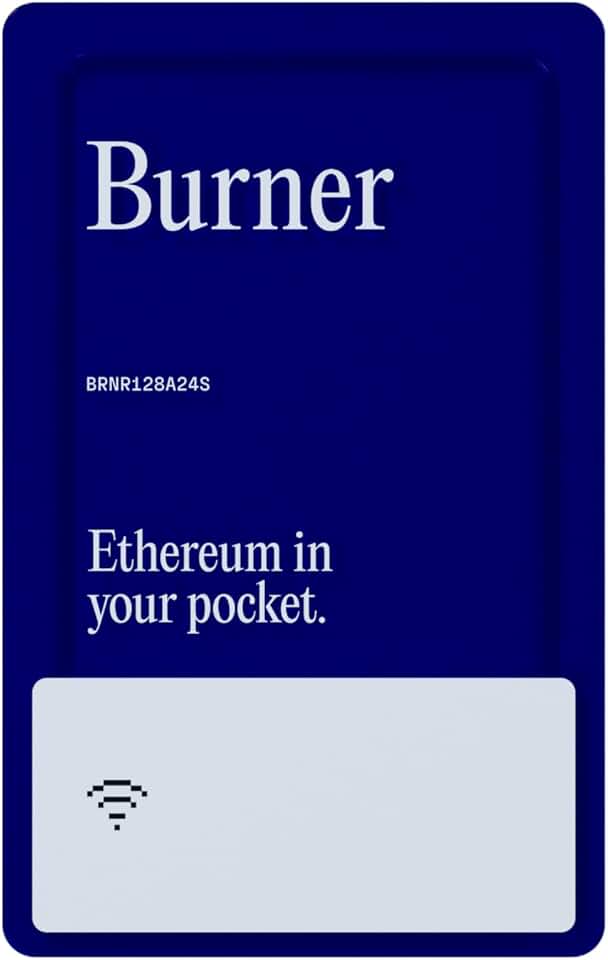
As an Amazon Associate, we may earn from qualifying purchases.
Comparing fees and settlement speeds
Choosing a stablecoin top-up card requires looking past the headline "zero fees" to see the actual cost of moving money. The total expense breaks down into three parts: the card issuer's transaction fee, the blockchain network gas fee (if the card uses on-chain settlement), and the foreign exchange spread if you are spending in a currency different from your stablecoin.
Transaction and network costs
Most stablecoin cards charge a flat fee per transaction or a small percentage, typically ranging from 0% to 2%. However, if the card settles transactions on-chain (e.g., on Ethereum or Polygon), you may also see a network gas fee. These gas fees fluctuate based on network congestion and can sometimes exceed the card's own processing fee. For frequent spenders, a card that settles on low-cost Layer 2 networks like Polygon or Arbitrum offers significantly lower friction than one using Ethereum Mainnet.
Foreign exchange spreads
If your stablecoin is pegged to the US dollar but you are spending in Euros or Yen, the provider applies a foreign exchange (FX) spread. This is often hidden in the exchange rate they offer. A competitive spread is 1-2%, while poor options can exceed 3-4%. Always check the exact exchange rate applied at the point of sale, not just the advertised "market rate."
Settlement speed vs. cost
Faster settlement often comes at a premium. Cards that provide instant top-ups and immediate merchant settlement usually have higher operating costs, which are passed on to you via slightly higher fees. For most users, a settlement time of 1-3 business days is sufficient and allows issuers to offer lower transaction fees. Reserve instant settlement for emergency top-ups where the speed outweighs the cost.
Security and compliance considerations
When choosing a stablecoin top-up card, security isn't just a feature; it's the foundation of your financial safety. Unlike traditional banking, where deposits are often insured by government bodies, stablecoin transactions operate on a different risk model. You are interacting with digital assets that move instantly and irreversibly. Therefore, selecting a regulated issuer is the most critical step in protecting your funds.
KYC and AML Requirements
Reputable stablecoin card providers are required to adhere to strict Know Your Customer (KYC) and Anti-Money Laundering (AML) regulations. This means you will need to verify your identity before using the card. While this adds a step to the onboarding process, it is a necessary safeguard that ensures the platform is compliant with financial laws. Using unregulated or anonymous services exposes you to significant legal and financial risks, including frozen assets and lack of recourse in case of fraud.
Insurance and Fund Protection
Always check if the issuer offers insurance coverage for digital assets. Some providers partner with custodial services that hold your funds in insured wallets, providing a layer of protection against hacks or insolvency. For example, platforms integrating with established payment processors like Stripe offer additional stability through their compliance infrastructure, as they support stablecoin payouts such as USDC directly Stripe Stablecoin Payouts. This integration ensures that the underlying transaction layer meets rigorous security standards.
Regulatory Compliance
Look for issuers that are transparent about their regulatory status. Companies operating in multiple jurisdictions, such as those using compliant infrastructure like Stables, often have clearer legal frameworks in place Stables Money. This transparency is a strong indicator of reliability. Avoid providers that do not clearly state their licensing or regulatory oversight, as this could leave you vulnerable to sudden service shutdowns or asset seizures.
Top up your stablecoin card in minutes
Funding a crypto card with stablecoins is straightforward if you follow the right sequence. The process generally involves connecting a wallet, selecting the asset, and confirming the transaction. Below is the standard workflow used by most major issuers.

Open your card issuer’s app or wallet interface. Navigate to the funding or top-up section. Most platforms require you to link a compatible wallet or select the stablecoin option directly within the app menu.
Choose the specific stablecoin you wish to use, such as USDC or USDT. Ensure the asset is supported by your card issuer. Some platforms may default to USD-pegged tokens, but verifying the selection prevents accidental transfers of unsupported assets.

Input the exact amount you want to add to your card balance. Check for any minimum or maximum limits imposed by the issuer. Be aware that network fees (gas) may be deducted separately depending on the blockchain you are using.
Review the transaction details and confirm. Settlement is usually instant for internal transfers but may take a few minutes for on-chain confirmations. Once confirmed, the funds appear in your card balance, ready for immediate spending.
Always double-check the network type before sending. Sending USDC on Ethereum to a wallet expecting it on Polygon can result in lost funds. If you encounter issues, consult the issuer’s help center for specific troubleshooting steps.
Frequently asked questions about stablecoin cards
Are stablecoin card transactions taxable?
Spending a stablecoin card is generally treated as a taxable event in many jurisdictions, including the United States. The IRS considers cryptocurrency, including stablecoins, as property. When you use a card to buy coffee, you are technically disposing of that property. If the stablecoin was acquired at a different price than its current value, you may realize a capital gain or loss on that specific transaction. While most stablecoins are pegged to fiat currencies to minimize volatility, fluctuations can still occur. You should consult a tax professional to understand how these transactions affect your specific filing status.
Can I lose my funds if the card issuer goes bankrupt?
Unlike a traditional bank account protected by FDIC insurance, funds loaded onto a crypto card are often held in corporate operating accounts rather than segregated custodial wallets. This means that if the card issuer faces insolvency, your loaded balance may be treated as an unsecured creditor claim. To mitigate this risk, avoid loading large sums onto a single card. Treat the card like a prepaid debit with a daily spending limit rather than a savings vehicle. Always review the issuer’s terms of service regarding fund segregation and insolvency protocols.
Why was my stablecoin card transaction declined?
Declines on stablecoin cards usually stem from three sources: network congestion, fraud filters, or insufficient liquidity. During periods of high blockchain activity, transaction fees may spike, causing the issuer’s automated systems to reject the charge if the network fee exceeds the card’s limit. Additionally, crypto transactions often trigger aggressive fraud detection algorithms due to their irreversible nature. If the decline persists, contact your card provider to verify if the transaction was flagged for suspicious activity or if a temporary hold was placed on your account.
No comments yet. Be the first to share your thoughts!