
How stable card top-ups work in 2026
Understanding the mechanics of a stable card top-up 2026 requires distinguishing between two primary architectures: the pre-funded model and real-time conversion. Your choice between these methods dictates how quickly your funds move and how much exposure you have to market volatility during the transaction.
The pre-funded model operates like a traditional prepaid debit card. You must manually sell your stablecoins within the app to generate a fiat balance before you can spend. This approach requires proactive management; if your balance hits zero, the card stops working until you initiate a new top-up. While this method offers predictable spending limits, it introduces a friction point that can be inconvenient for daily transactions.
Real-time conversion cards streamline this process by executing the crypto-to-fiat swap at the moment of purchase. When you swipe your card, the provider instantly sells the necessary amount of stablecoins to cover the transaction. This eliminates the need for manual reloading, offering a seamless experience that mirrors using a standard bank card. However, this convenience comes with the risk of slippage; if the market moves sharply between the time you authorize the payment and the time the swap executes, the final fiat amount may differ slightly from what you expected.
Top stablecoin cards for instant reloads
Selecting a card for a stablecoin top-up 2026 strategy requires prioritizing the mechanics of the reload itself. The best cards minimize the friction between your crypto wallet and your spending power. We evaluate these options based on supported stablecoins, top-up speed, and the hidden costs of conversion.
Stable Card
Stable Card offers a straightforward prepaid Visa solution designed for USDC and USDT users. The platform allows direct top-ups from your wallet, converting crypto to fiat for everyday purchases. It is particularly useful for users who want a single card that handles both major stablecoins without complex bridging.
The primary advantage is the simplicity of the reload process. You send USDC or USDT, and the card balance updates. However, you should check the current monthly maintenance fees and any transaction spreads, as these can erode the value of your stablecoin holdings over time.
MetaMask Card
The MetaMask Card integrates directly with the MetaMask wallet, allowing users to spend USDC and other supported assets. It is ideal for those already deep in the MetaMask ecosystem. The card handles the conversion internally, providing a seamless experience for spending crypto without leaving the app.
While the integration is smooth, the top-up speed and conversion rates depend on the liquidity partners MetaMask uses. It is a strong option for instant reloads if you prioritize ease of use over potentially lower fees found in more specialized prepaid cards.
Comparison of Top-Up Features
The table below compares the key features of these stablecoin cards, focusing on top-up speed, supported stablecoins, and monthly fees.
| Card | Supported Stablecoins | Top-Up Speed | Monthly Fee |
|---|---|---|---|
| Stable Card | USDC, USDT | Instant | Varies |
| MetaMask Card | USDC, others | Near-instant | Varies |
Amazon Product Recommendations
For the most current pricing and availability, refer to these Amazon listings for stablecoin-linked debit cards and related hardware wallets for secure top-ups.


As an Amazon Associate, we may earn from qualifying purchases.
USDC vs USDT for Card Funding
Choosing between USDC and USDT for your stable card top-up comes down to network reliability, transaction costs, and the specific card issuer’s backend support. While both are pegged to the US dollar, their mechanics differ enough to impact your bottom line when funding a debit card.
USDC (USD Coin) is generally preferred for fiat on-ramps because it is issued by regulated entities like Circle and Coinbase. It trades on major US exchanges with high liquidity, meaning conversions from crypto to fiat often incur lower spreads. Many card issuers prioritize USDC for settlements because it aligns with US banking compliance standards, reducing the risk of frozen funds or delayed top-ups. If your primary goal is a "Stable Card top-up 2026" that feels like a traditional bank transfer, USDC is the safer, more predictable route.
USDT (Tether) offers broader support across international networks and DeFi platforms. It is often cheaper to move on certain blockchains like Tron (TRC-20), making it attractive for users who frequently top up small amounts. However, USDT’s regulatory history and lower transparency compared to USDC can lead to higher friction with some card providers. Issuers may apply wider conversion spreads or stricter verification checks for USDT-funded accounts to mitigate compliance risks.
The decision hinges on your card’s specific support matrix. Some providers accept both but route USDT through different liquidity pools, resulting in variable exchange rates. Always check the issuer’s official fee schedule for conversion spreads, not just the blockchain gas fees.
| Feature | USDC | USDT |
|---|---|---|
| Regulatory Clarity | High (US-regulated issuers) | Moderate (Mixed regulatory status) |
| Network Fees | Low (Ethereum/Polygon/Solana) | Variable (TRC-20 often cheapest) |
| Card Issuer Support | Widely preferred for fiat settlement | Supported but may have higher spreads |
| Liquidity Depth | High on US exchanges | Highest global volume across chains |
For most users seeking stability and ease of use in 2026, USDC provides a smoother path to card funding. However, if you are already holding USDT on a low-fee network like Tron, the savings on transfer costs may outweigh the slightly higher conversion spread.
Avoid hidden fees on crypto top-ups
A stable card is only as good as the cost to load it. Many programs advertise zero transaction fees but hide costs in conversion spreads, network gas, or monthly maintenance charges. These small margins compound quickly, turning a free-looking top-up into a 3% to 5% tax on your capital.
The Three Cost Traps
- Conversion Spreads: This is the difference between the market price of your stablecoin and the fiat value credited to your card. A 1% spread means you lose $10 on every $1,000 loaded. Always check if the card uses a real-time market rate or a proprietary markup.
- Network Gas Fees: If your card requires a manual pre-funded model, you must sell your stablecoins on-chain first. Ethereum gas fees can eat $5 to $20 per transaction, making small top-ups economically irrational. Look for cards that support low-cost networks like Solana or Polygon, or those with built-in off-chain settlement.
- Monthly Maintenance Fees: Some providers charge a flat monthly fee for card ownership or account maintenance. This fee erodes your balance regardless of usage. Prioritize cards with no monthly fees unless they offer significant rewards that outweigh the cost.
How to Verify Costs
Before linking your wallet, review the card’s fee schedule. Look for clear disclosure of FX rates and network costs. If the information is buried in fine print or unavailable, assume the worst. The best stable card top-up 2026 options will have transparent, competitive pricing that aligns with your spending habits.
Step-by-step: Load your stable card
Funding your stable card is a direct on-chain action that converts your crypto holdings into spendable fiat balance. The process is standardized across most providers, relying on a simple withdrawal flow from your linked wallet or exchange account.

Log into your stable card provider’s dashboard or mobile app. Locate the "Withdraw," "Transfer," or "Reload" section. This is the entry point for moving assets off-chain.

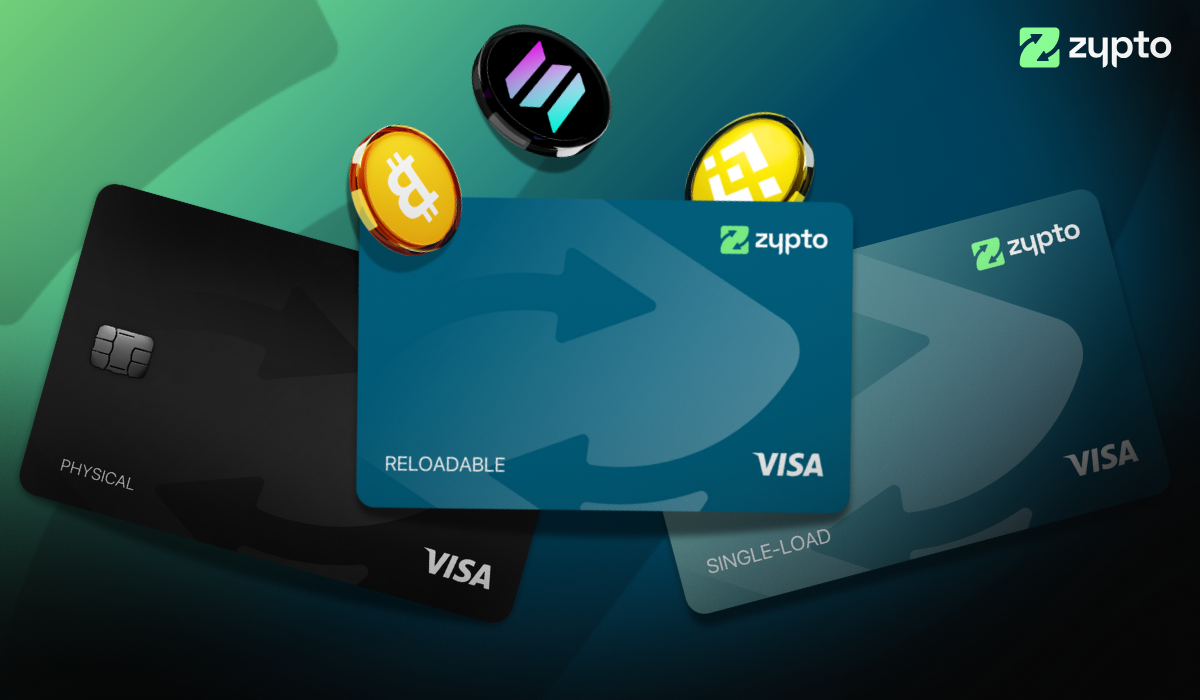
Choose your physical or virtual stable card as the destination. For example, STABLE Account directs users to the Withdrawals page to select the "Prepaid Card" option, ensuring funds route to the correct BIN.

Select the specific stablecoin you wish to use, such as USDC or USDT. Verify the network compatibility (e.g., ERC-20, Solana, Polygon) to avoid transaction failures or excessive gas fees.
Enter the exact USD value or token amount you want to load. Most platforms display the estimated fiat balance you will receive after any applicable network fees are deducted.
Confirm the transaction. The funds should appear in your card balance within seconds or minutes, depending on the blockchain confirmation speed. Check your app for a "Balance Updated" notification.
This workflow ensures your stable card top-up 2026 strategy remains efficient and transparent. Always double-check the destination address and network selection before signing the transaction.
Frequently asked questions about stable card top-ups
How fast is a stable card top-up? Processing times vary by provider and funding source. Direct bank transfers often take 1-3 business days, while instant debit card loads may reflect within minutes but incur higher fees. Always check the specific provider's dashboard for real-time status updates.
Are there limits on how much I can add? Yes. Most stablecoin cards enforce daily, weekly, and monthly reload caps based on your KYC verification level. These limits are designed to comply with anti-money laundering (AML) regulations and can range from a few hundred to tens of thousands of dollars. Review your account settings to see your current tier.
What are the typical fees for reloading? Fees generally include a conversion spread (the difference between the stablecoin's peg and the fiat value) and potential network gas fees. Some providers charge a flat fee per top-up, while others embed costs into the exchange rate. Prioritize cards with transparent fee structures to avoid hidden costs, as noted in industry analyses of 2026 stablecoin spending [1].
Can I top up my card directly from a crypto wallet? Most modern stablecard platforms allow direct withdrawals from your connected wallet or exchange account. You typically initiate this through the provider's app or web portal by selecting "Prepaid Card" or "Reload" and choosing your funding source [2]. Ensure the stablecoin you hold is supported by the card issuer to avoid conversion delays.
Is my money safe during the top-up process? Reputable providers use regulated custodians and encryption to secure transactions. However, always verify that the platform is licensed in your jurisdiction. Never share private keys or seed phrases with any support channel or third-party service claiming to facilitate faster top-ups.
No comments yet. Be the first to share your thoughts!