
Why instant stablecoin card top up matters
For crypto users, the gap between owning digital assets and spending them is defined by settlement speed. Traditional crypto-to-fiat ramps often impose 1-3 day bank settlement delays, turning a quick purchase into a waiting game. Instant stablecoin card top-up eliminates this friction, ensuring funds are available for immediate spending rather than locked in transit.
Most stablecoin cards operate on a pre-funded or prepaid model. Users must manually sell their stablecoins within the app to top up a fiat balance before they can spend. This creates a two-step process: first, converting the asset; second, waiting for the fiat to settle in the card's internal ledger. Without instant processing, that second step introduces significant liquidity risk. Markets move fast, and prices for goods do not pause while your bank processes a wire transfer.
The urgency of liquidity becomes clear when comparing this to traditional banking. A debit card funded by a direct bank transfer is limited by the bank's internal processing times. A stablecoin card that requires manual topping up is limited by the crypto exchange's withdrawal speed plus the bank's settlement window. Instant top-up mechanisms, often supported by integrated payment processors, allow the card to draw against a pre-loaded balance that reflects the current state of your digital assets.
This distinction is critical for users who rely on their cards for everyday commerce. Whether buying groceries or paying for travel, the ability to spend immediately without worrying about settlement delays or insufficient funds due to pending transactions is the primary value proposition of modern stablecoin cards. As noted in industry directories, the ability to seamlessly bridge digital assets and everyday commerce is becoming the main differentiator between legacy prepaid models and next-generation stablecoin solutions.
Top picks for low-fee stablecoin reload
Finding a card that bridges the gap between your crypto wallet and your daily spending without eating your margins requires looking past the marketing hype. The best options in 2026 focus on speed and cost-efficiency, allowing you to top up with USDC or USDT and spend immediately. We have selected three products that prioritize low spreads and instant settlement, ensuring your money works as hard as you do.
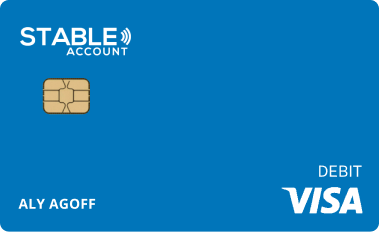
STABLE Visa Prepaid Card
STABLE stands out for its direct integration with blockchain networks, offering one of the most seamless ways to load funds. Rather than relying on traditional bank transfers that can take days, STABLE allows users to withdraw funds to a connected bank account or load the prepaid card directly from their digital assets. This direct line means your reloads are near-instant, keeping your purchasing power available exactly when you need it.
The platform is designed for those who want to hold diverse investment choices while maintaining liquid cash for everyday expenses. By keeping your funds in a prepaid model, you avoid the high interest rates often associated with credit-based crypto cards. The fee structure is transparent, with low costs for standard transactions, making it a solid choice for frequent crypto users who want to spend their stablecoins without significant friction.
Kraken Card
For those already trading on Kraken, the Kraken Card offers a straightforward way to spend your crypto holdings. The card is backed by the exchange's robust infrastructure, allowing you to top up your balance with a variety of cryptocurrencies, including stablecoins. The integration is deep, meaning your reloads are processed quickly, and you can spend your crypto directly at any merchant that accepts Visa.
The Kraken Card is particularly attractive for users who want to avoid the manual selling steps required by some other platforms. While the fee structure may vary based on your trading volume and specific region, the convenience of spending directly from your exchange wallet is a major plus. It is a reliable option for those who want a single ecosystem for both trading and spending.
Comparison of Top Reload Options
The table below summarizes the key differences between the top picks, focusing on the reload experience and fee structure. These cards are chosen for their ability to handle stablecoin top-ups with minimal delay.
| Product | Top-Up Method | Fee Level | Reload Speed |
|---|---|---|---|
| STABLE Visa | Direct Blockchain Load | Low | Instant |
| Kraken Card | Exchange Wallet | Medium | Near-Instant |
| Stablecoin Prepaid | Manual Sell | Low | Minutes |
Choosing the Right Card for Instant Reloads
When selecting a card for instant stablecoin reloads, the primary factor is the method of funding. Cards that allow direct blockchain loads, like STABLE, offer the fastest experience. These cards eliminate the need for a middleman fiat account, reducing the number of steps between your crypto and your purchase.
Another important consideration is the fee structure. While all cards have some cost, the best options keep these fees low to preserve your capital. Look for cards that charge minimal spreads on conversions and low annual fees. This ensures that your spending is efficient and that you are not losing value to hidden costs.
Finally, consider the security and reliability of the platform. Cards backed by established exchanges or fintech companies offer a higher level of trust and support. This is particularly important for high-stakes transactions, where reliability is key to a smooth user experience.


As an Amazon Associate, we may earn from qualifying purchases.
How to top up your stable card instantly
The most frustrating part of using a crypto debit card is the delay between deciding to spend and having funds available. The "instant top up" feature solves this by allowing you to convert stablecoins into spendable fiat balance in seconds, rather than waiting for traditional bank settlement times. This capability turns your digital wallet into a real-time spending account, bridging the gap between on-chain assets and everyday purchases.
To achieve this speed, you generally rely on one of two methods: an internal swap within the card issuer’s app or a direct bridge to a supported Layer 2 network. The internal swap is the most common approach for major players like Wirex or Zypto, where the app acts as the liquidity provider. When you select a supported stablecoin like USDC or USDT, the app locks your crypto and credits your fiat balance immediately, often using a centralized matching engine to ensure the funds are available before you swipe the card.
For users who prioritize self-custody or lower fees, bridging is the alternative. This involves sending stablecoins from your personal wallet to the card’s designated deposit address on a specific blockchain, such as Solana or Polygon. Once the network confirms the transaction—usually within seconds on these chains—the card provider recognizes the deposit and makes the funds available. Always verify which chains are supported by your specific card, as fees and speeds vary significantly between Ethereum Mainnet and faster alternatives.
Check your card’s supported chains
Before attempting an instant top up, confirm which networks your card supports. Not all cards accept USDC on Ethereum Mainnet due to high gas fees. Most modern stablecoin cards prioritize low-cost chains like Solana, Arbitrum, or Polygon to ensure the transaction settles quickly and cheaply.
Verify your balance is pre-funded
Some cards operate on a pre-funded model where you must top up a fiat balance before spending. Check your app to see if your stablecoin balance is automatically converted to a spendable fiat balance upon deposit, or if you need to manually trigger a swap. This distinction is critical for instant spending.
Use the internal swap feature
For the fastest experience, use the card issuer’s built-in swap function. Open your app, select the "Top Up" or "Add Funds" option, choose your stablecoin, and confirm the transaction. The funds should appear in your spendable balance within seconds, allowing you to make a purchase immediately.
Bridge from your personal wallet
If you prefer to keep your assets in a self-custody wallet, send your stablecoins to the deposit address provided by your card issuer. Ensure you are using the correct network (e.g., sending USDC on Polygon to a Polygon address). Once the blockchain confirms the transaction, your card balance will update automatically.
Fees to watch when funding your card
Instant top-ups sound convenient, but they rarely come for free. When you tap your card to buy coffee, the system often converts your stablecoins to fiat on the fly. This convenience triggers a spread—a difference between the market price of the crypto and the fiat amount you receive. While pre-funded cards let you sell your crypto at a set rate beforehand, instant cards typically apply a dynamic spread that can range from 1% to 3% depending on liquidity and market volatility. This spread is often the most significant hidden cost, effectively acting as a transaction tax on every purchase.
Beyond the spread, you must consider network gas fees and withdrawal charges. If your card issuer pulls funds from a specific blockchain, you may pay gas fees for the transaction. Some issuers absorb these costs, while others pass them directly to you. Additionally, check for withdrawal fees if you need to move money back into your wallet. These fees vary widely; some providers charge a flat fee per withdrawal, while others use a percentage model that can eat into smaller balances. Always review the official fee schedule for your specific card provider, as these structures change frequently.
The "instant" label is a premium service. Slower, batched processing methods often have lower or no fees, but they delay your spending power. For everyday transactions where speed matters, you are paying for immediacy. To minimize costs, compare the total cost of conversion across providers, including spreads, gas, and withdrawal fees. Some cards offer fee waivers for premium accounts or high-volume users, so check if these tiers align with your spending habits. Understanding these costs helps you choose a card that balances speed with affordability.
Frequently asked questions about stablecoin debit cards
How fast are instant top-ups?
"Instant" top-ups refer to the ability to convert stablecoins into spendable fiat balance in real-time. Unlike traditional bank transfers that take days, these cards use a pre-funded model where the app sells your USDC or USDT and credits your card balance immediately. This allows you to spend your crypto holdings at point-of-sale without waiting for settlement cycles.
Do stablecoin cards have contribution limits?
Stablecoin debit cards do not have annual contribution limits like ABLE or retirement accounts. You can top up as often as you like, limited only by the card issuer’s daily spending caps or your available liquidity. This flexibility makes them suitable for daily expenses rather than long-term savings vehicles.
What fees should I expect?
Fee structures vary by provider. Some cards charge a small percentage (e.g., 1-2%) for the instant conversion of crypto to fiat. Others may offer fee-free conversions for premium tiers. Always check the issuer’s official fee schedule, as some providers charge monthly maintenance fees or ATM withdrawal fees.
Which stablecoins are supported?
Most major stablecoin cards support USDC and USDT. Some providers also accept DAI or other regulated stablecoins. Ensure the card issuer supports the specific stablecoin you hold to avoid unnecessary conversion fees or delays.
No comments yet. Be the first to share your thoughts!