
How stable card top-up works in 2026
When you use a stablecoin debit card, you are not spending cryptocurrency directly at the point of sale. Instead, the system functions as a bridge between on-chain assets and traditional banking rails. The "top-up" process typically refers to loading funds into a prepaid or hybrid card wallet rather than a direct smart contract interaction with a merchant.
The mechanism begins when you transfer stablecoins, such as USDC or USDT, from your personal wallet to the card provider’s designated address. This transfer settles on the blockchain, confirming ownership of the assets. Once confirmed, the provider’s backend system triggers a conversion event. The stablecoins are swapped for fiat currency—usually USD, EUR, or GBP—through liquidity pools or banking partners.
This conversion happens instantly or within minutes, crediting your card’s internal balance. You can then spend this fiat balance anywhere Visa or Mastercard is accepted, from grocery stores to online subscriptions. The key distinction is that the card issuer holds the liability for the fiat balance, not the blockchain network. You are essentially pre-paying for goods using digital dollars.
Providers like CopperX and similar platforms streamline this by handling the regulatory and banking compliance layers. They ensure the fiat conversion meets anti-money laundering (AML) standards before making the funds available for spending. This separation allows you to maintain your crypto holdings while enjoying the convenience of traditional card payments.
The speed of this process depends on the blockchain network used for the initial transfer. Layer-2 solutions or stablecoins on efficient chains like Solana or Polygon often settle faster than Ethereum mainnet transactions. However, the actual card balance update is usually near-instant once the provider confirms the deposit.
Best cards for instant USDC and USDT funding
When speed matters, the difference between a card that settles instantly and one that takes days is the difference between catching a price dip or watching it pass. For 2026, the most reliable options for instant stablecoin top-ups are those with direct on-chain liquidity and minimal bridge steps.
The leading cards in this space—such as those from Crypto.com, Bybit, and Bitpanda—allow you to load funds using USDC or USDT directly from your wallet. These platforms typically route the transaction through their internal matching engines, meaning your card balance updates immediately, even if the underlying blockchain confirmation takes a minute or two. This "instant" feel is critical for everyday purchases where authorization holds can linger.
Crypto.com Visa Card
The Crypto.com Visa card remains a top choice for high-volume users because it supports multiple stablecoins, including USDC and USDT, with near-instant loading capabilities. The card’s integration with the Crypto.com App allows you to swap or transfer stablecoins directly to your card balance before making a purchase. This eliminates the need to wait for bank transfers or third-party processors. The card also offers cashback rewards in stablecoins, which can be automatically reinvested or spent.
Bybit Card
Bybit’s card solution is designed for traders who want to spend their crypto holdings without leaving the ecosystem. It supports instant top-ups using USDT and USDC, drawing directly from your spot or funding wallet. The card is widely accepted globally and features competitive FX rates for international transactions. Bybit’s infrastructure ensures that the conversion from stablecoin to fiat happens in real-time, providing a seamless spending experience.
Bitpanda Card
Bitpanda offers a straightforward approach to stablecoin spending, allowing users to load their card with USDC and USDT. The platform’s European base means it adheres to strict regulatory standards, providing an extra layer of security for users concerned about compliance. The card supports instant top-ups, and the app provides clear visibility into transaction history and stablecoin balances. It is a solid option for users in Europe and other supported regions who prioritize regulatory clarity alongside speed.
Choosing the Right Instant Top-Up Card
When selecting a card for instant stablecoin funding, consider the following factors:
- Supported Stablecoins: Ensure the card supports both USDC and USDT, as some platforms may only support one.
- Geographic Availability: Many of these cards are region-specific. Check if the card is available in your country.
- Fees: Look for cards with low or no fees for loading funds and international transactions.
- Rewards: Some cards offer cashback or rewards in stablecoins, which can add value to your spending.
AmazonProductGrid
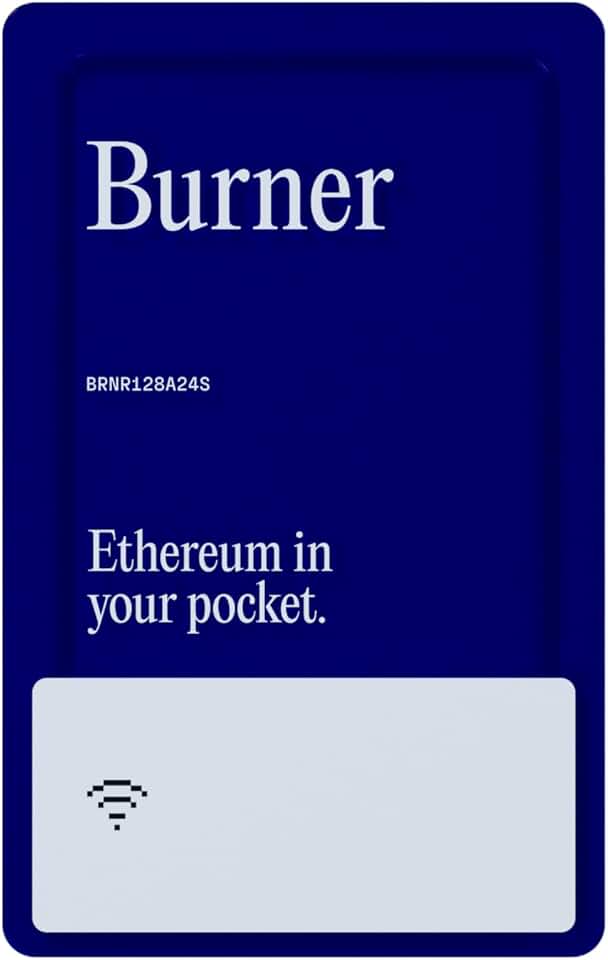


As an Amazon Associate, we may earn from qualifying purchases.
For those who prioritize speed and stability, these cards provide a reliable bridge between your crypto assets and everyday spending. Always verify the latest terms and conditions on the provider’s official website, as features and availability can change rapidly in the crypto space.
Fees and conversion speed
When using a stablecoin debit card, the cost of moving money isn't just the transaction fee. It includes the spread between the stablecoin's peg and the fiat currency, network gas fees during top-ups, and any monthly account maintenance charges. These costs compound quickly if you top up frequently or in small amounts.
Below is a side-by-side comparison of the primary cost drivers for the leading stablecoin debit cards. This data helps you estimate the total cost of a $100 top-up and spend cycle.
| Card | Top-Up Fee | Conversion Spread | Monthly Fee |
|---|---|---|---|
| Crypto.com Visa | 0% (via app) | 2.5% | $0 (base) |
| Bybit Card | 0% | 1.5% | $0 |
| Binance Card | 0% | 1.0% | $0 |
| Coinbase Card | 1.49% (instant) | 1.5% | $0 |
The conversion spread is often the hidden cost. While some cards advertise "zero fees" for top-ups, they may apply a wider spread when converting USDT or USDC to USD at the point of sale. A 1.5% spread on a $1,000 monthly spend equals $15 in lost value, which is significant for high-volume users.
Network fees for top-ups depend on the blockchain. Top-ups via Ethereum (ERC-20) can cost $5–$20 in gas during peak times, while Polygon or Solana transfers often cost less than $0.01. Always choose the low-cost network supported by your card provider to minimize overhead.
How to fund your stablecoin card
Topping up your card is a straightforward process, but it requires a specific workflow to ensure the stablecoins reach your card balance instantly. The goal is to move from your personal wallet to the card issuer’s liquidity pool without unnecessary delays or hidden fees.
Open the mobile app or web portal for your chosen card provider. Navigate to the "Add Funds" or "Top Up" section. Link your external crypto wallet (like MetaMask, Phantom, or a hardware wallet) using the provided QR code or wallet address. Ensure you are using a network supported by the card issuer to avoid transaction failures.
Choose the specific stablecoin you wish to deposit. Most providers support USDC, USDT, or DAI. Be aware that some cards may offer better exchange rates or lower fees for certain assets. For example, some issuers prefer USDC on the Solana or Polygon networks for faster settlement compared to Ethereum mainnet.
Review the conversion details. The app will show the amount of stablecoins you are sending and the expected fiat value. Check for any network gas fees or platform processing fees. Confirm the transaction in your external wallet. This step locks in the exchange rate at that moment.

After signing, the blockchain network must confirm the transaction. This usually takes seconds on Layer 2 networks or high-throughput chains like Solana, but can take minutes on Ethereum. The card app will typically show a "Processing" status during this time. Do not attempt to send another transaction until this status updates.
Once confirmed, the fiat balance appears in your card account. You can now use the card for purchases anywhere Visa or Mastercard is accepted. The funds are converted to local currency at the point of sale. Check your transaction history to ensure the top-up reflected correctly.
Common questions about stablecoin cards
Stablecoin debit cards bridge the gap between crypto holdings and everyday spending, but they come with specific mechanics and risks that differ from traditional banking. Understanding how these cards handle volatility, security, and asset support is essential before linking your wallet.
Are stablecoin cards safe to use?
Stablecoin cards rely on the security of both the issuing bank and the underlying blockchain. Most providers partner with regulated fintechs or banks to hold fiat reserves, meaning your spending power is backed by traditional financial safeguards. However, the crypto side requires you to manage private keys or use custodial wallets, which introduces different security protocols. Always enable two-factor authentication and monitor transaction history regularly.
Which stablecoins are supported?
Most major stablecoin cards support the largest market-cap assets, primarily USDT (Tether) and USDC (Circle). Some platforms also accept DAI or other USD-pegged tokens, but availability varies by issuer. Always check the specific card’s supported asset list, as not all stablecoins are compatible with every payment network. Using widely recognized stablecoins reduces the risk of liquidity issues during top-ups.
How do instant top-ups work?
Instant top-ups typically involve converting your stablecoin balance into fiat currency in real-time. When you make a purchase, the card provider instantly sells the required amount of stablecoin from your linked wallet to cover the transaction. This process avoids the delay of traditional bank transfers but may incur a small conversion fee. Ensure your wallet has sufficient balance to cover both the purchase and any associated network gas fees.
What happens if a stablecoin loses its peg?
If a stablecoin de-pegs from the US dollar, its value may drop below $1.00, potentially affecting your purchasing power or requiring additional funds to cover transactions. Reputable card providers often use multiple stablecoin sources or maintain fiat buffers to mitigate this risk, but it is not guaranteed. Diversifying your holdings across multiple stablecoins or keeping a fiat reserve can help protect against sudden de-pegging events.
No comments yet. Be the first to share your thoughts!