

In an era where stablecoins like USDC dominate DeFi liquidity pools, the ability to top up debit cards with USDC directly from onchain balances represents a pivotal evolution in crypto spending. Traditional paths through centralized exchanges introduce friction: mandatory KYC checks, withdrawal delays, and custody risks that undermine the decentralized ethos. Platforms like StableCardTopUp. com change this dynamic, offering a streamlined gateway to fund virtual and physical debit cards with USDC, USDT, or DAI, all while keeping assets under your control until the point of spend.
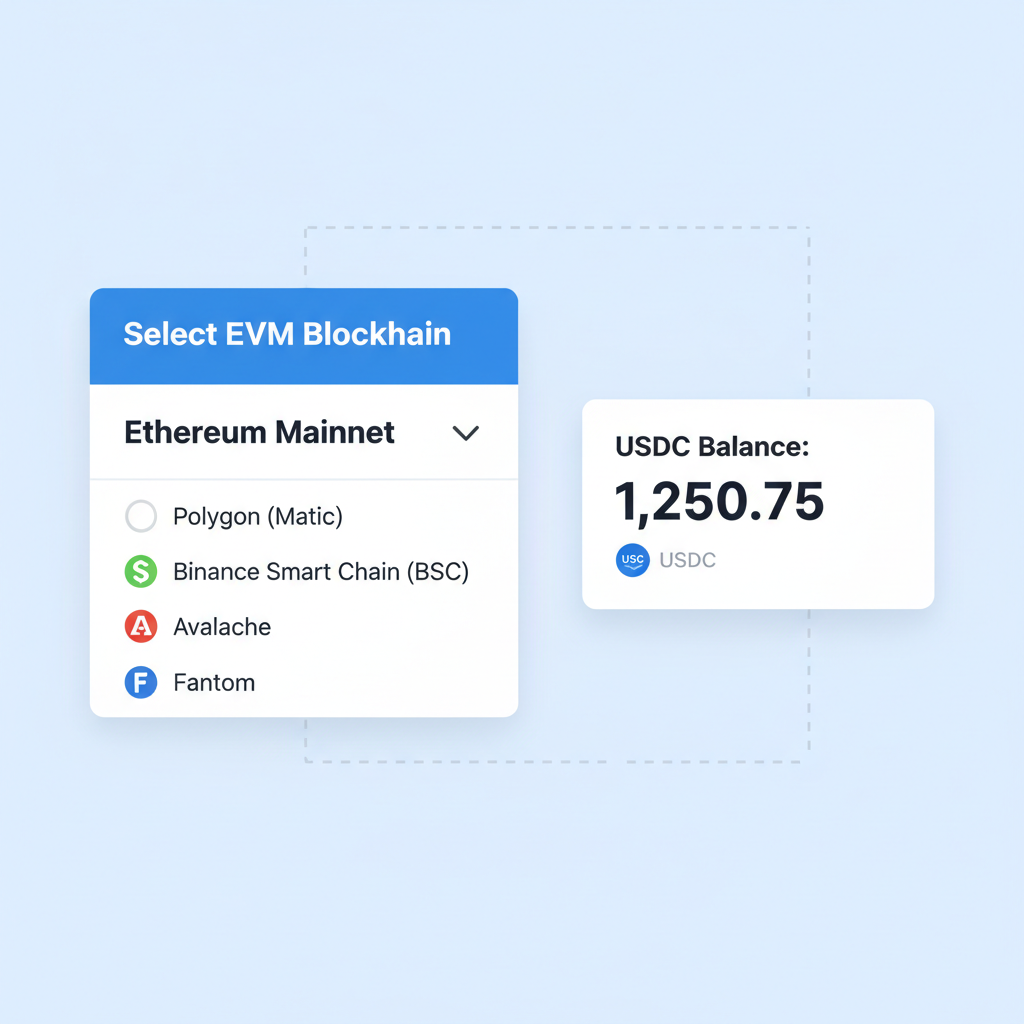
Recent market developments underscore this trend's momentum. Multichain Bridged USDC on Fantom trades at $0.0187, reflecting a modest 24-hour gain of and $0.000440 or and 0.0240%, with a high of $0.0188 and low of $0.0183. While this bridged variant highlights ecosystem volatility, core USDC's peg stability makes it ideal for onchain stablecoin card funding. Services such as Holyheld, Cypher, and Tangem Pay exemplify the shift, enabling non-custodial top-ups across EVM chains like Ethereum, Polygon, Optimism, and Base. These solutions sidestep exchanges entirely, supporting Apple Pay, Google Pay, and Visa/Mastercard networks for global usability.
Why Direct Onchain Funding Outpaces Exchange Routes
From a risk-adjusted perspective, routing USDC through exchanges exposes users to counterparty vulnerabilities and regulatory overhangs. Consider the no-KYC appeal: platforms leveraging blockchain rails allow virtual Visa card USDC issuance without identity surrender, a boon for privacy-conscious traders. StableCardTopUp. com optimizes this with low fees and instant processing, converting onchain balances to spendable fiat equivalents at millions of merchants. Cashback incentives, like Holyheld's up to 1% in USDC, further tilt the value proposition toward direct funding.
Conservatively speaking, this model minimizes exposure. Funds remain in self-custodied wallets until transaction finality, curtailing hacks or freezes common in custodial setups. Cypher's 0.5% USDC top-up fee, for instance, undercuts many alternatives, while Tangem Pay's Polygon integration ensures gas efficiency. For everyday spenders, this translates to stablecoin debit card no exchange reality: fund a virtual card in seconds, shop online without bridges or ramps.
Key Criteria for Selecting a USDC Card Top-Up Platform
Not all onchain gateways are equal; discernment is paramount. Prioritize non-custodial protocols where your USDC never leaves your wallet pre-purchase. StableCardTopUp. com excels here, supporting seamless USDC virtual debit card top up via EVM-compatible networks, with Visa/Mastercard backing for 150M and acceptance points. Evaluate fees rigorously: 0.5-1% bands prevail, but hidden spreads erode yields.
- Network Compatibility: Ethereum, Base, Optimism, Polygon - versatility reduces bridging costs.
- Fee Structure: Transparent, low top-up rates; avoid volume-based penalties.
- Redemption Speed: Instant virtual card issuance trumps delayed physical delivery.
- Incentives: USDC cashback or yield on balances enhances long-term viability.
Market chatter on Reddit echoes this: users praise uncash. io and Bitrefill for crypto-funded instants, yet onchain purity elevates leaders like StableCardTopUp. com. Bitget and KAST offer hybrids, but pure no-exchange flows demand scrutiny of smart contract audits and chain uptime.
USDC Bridged (Fantom) Price Prediction 2027-2032
Price stability forecasts amid onchain USDC payment adoption and peg recovery potential from $0.0187 baseline
| Year | Minimum Price | Average Price | Maximum Price | YoY % Change (Avg) |
|---|---|---|---|---|
| 2027 | $0.0100 | $0.0250 | $0.0500 | +34% |
| 2028 | $0.0150 | $0.0400 | $0.1000 | +60% |
| 2029 | $0.0250 | $0.0700 | $0.1800 | +75% |
| 2030 | $0.0400 | $0.1200 | $0.3000 | +71% |
| 2031 | $0.0700 | $0.2000 | $0.5000 | +67% |
| 2032 | $0.1200 | $0.3500 | $0.7500 | +75% |
Price Prediction Summary
Currently depegged at $0.0187 due to liquidity issues on Fantom, bridged USDC is forecasted to experience gradual recovery driven by surging demand from no-KYC virtual debit cards, non-custodial wallets, and onchain payment integrations like Holyheld, Cypher, and Tangem Pay. Average prices rise progressively toward partial peg restoration by 2032, with bullish maxima approaching $1 amid improved bridges and adoption, while bearish minima reflect persistent risks.
Key Factors Affecting USD Coin Price
- Rising adoption of USDC in virtual debit cards and Apple/Google Pay integrations boosting demand
- Enhancements in cross-chain bridge security and liquidity pools facilitating arbitrage
- Favorable regulatory developments for stablecoins increasing investor confidence
- Technological improvements in EVM-compatible networks reducing depeg risks
- Crypto market cycles and increased trading volume aiding price stabilization
- Competition from native USDC and other stablecoins pressuring bridged variants
- Potential for exploits, low liquidity, or chain-specific issues in bearish scenarios
Disclaimer: Cryptocurrency price predictions are speculative and based on current market analysis. Actual prices may vary significantly due to market volatility, regulatory changes, and other factors. Always do your own research before making investment decisions.
Setting Up Your Wallet for Frictionless Top-Ups
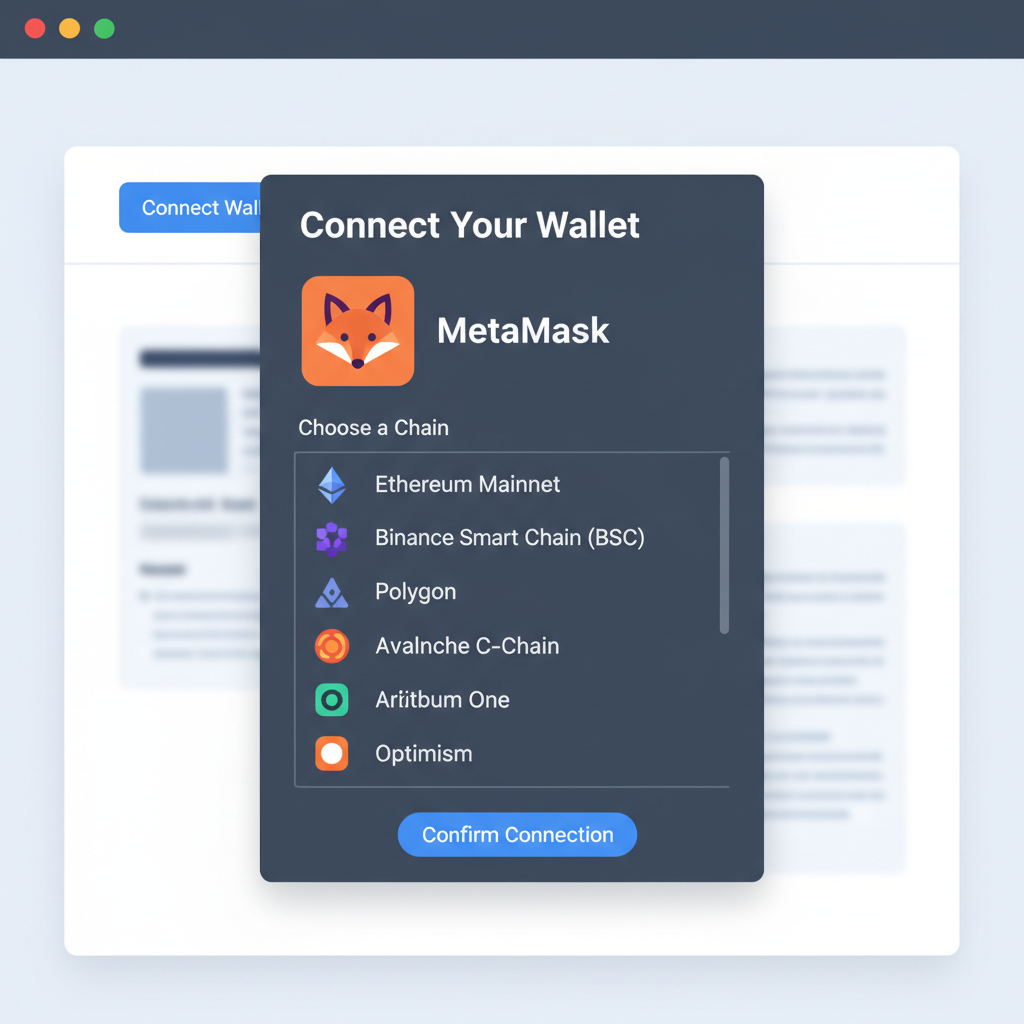
Commence with a robust, non-custodial wallet: MetaMask, Rabby, or WalletConnect-enabled apps suffice for EVM chains. Ensure USDC approval on target networks; Polygon variants, as in Tangem Pay, often yield lowest gas. Bridge only if necessary, but platforms like StableCardTopUp. com natively aggregate multichain inflows.
- Acquire USDC via DeFi swaps or liquidity provision, bypassing fiat on-ramps like MoonPay that mandate verification.
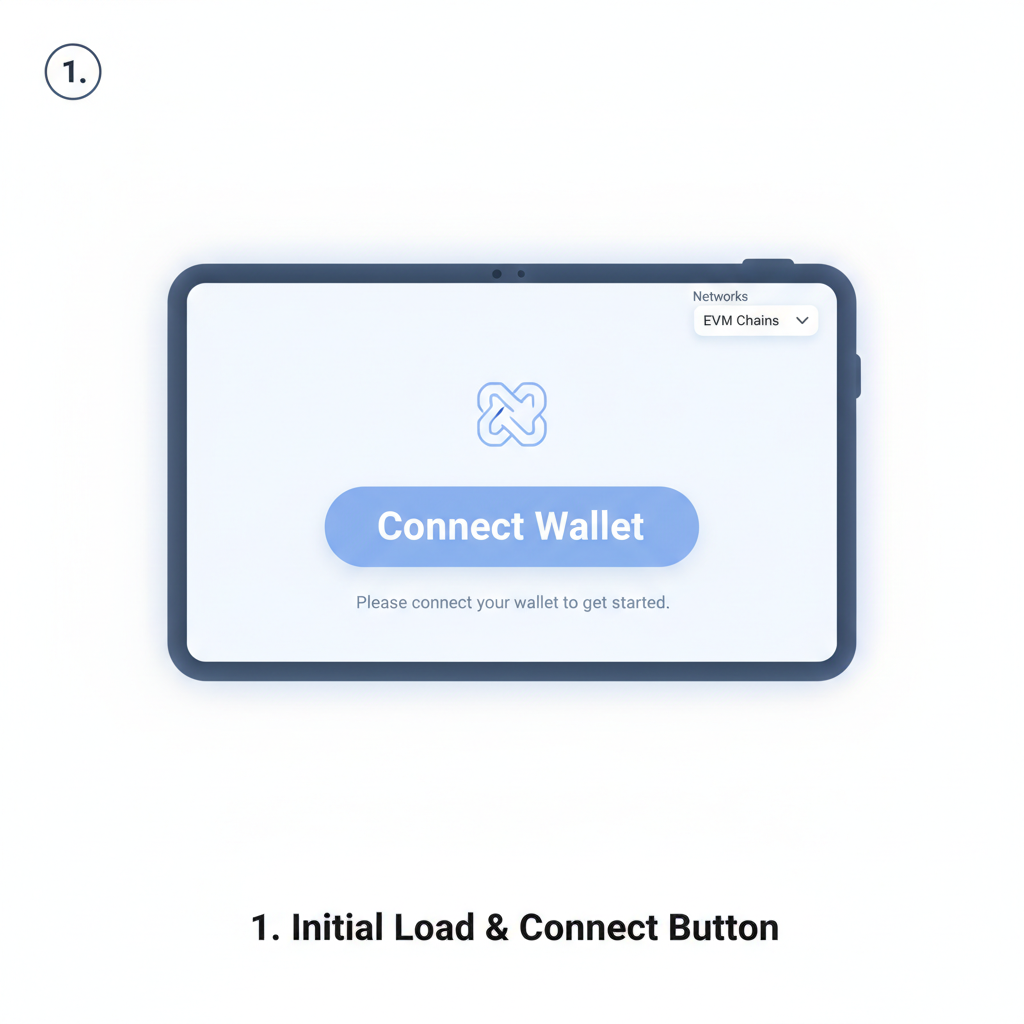
- Connect wallet to your chosen top-up service; approve spending without full transfers.
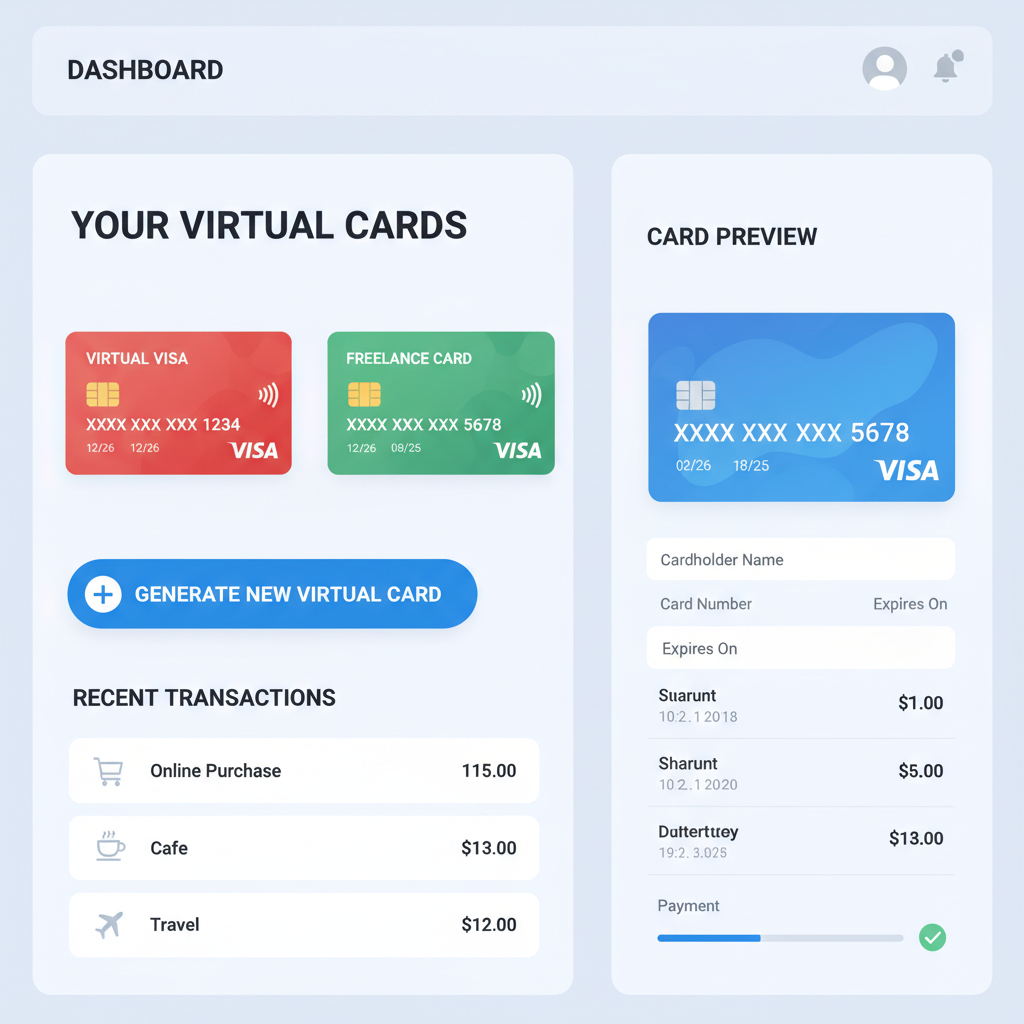
- Select virtual card parameters: limits typically $100-$10,000, with instant QR or PAN generation.
This foundation positions you for execution. Conservative allocation - say 10-20% of stablecoin holdings - mitigates any nascent protocol risks, while unlocking real-world utility.
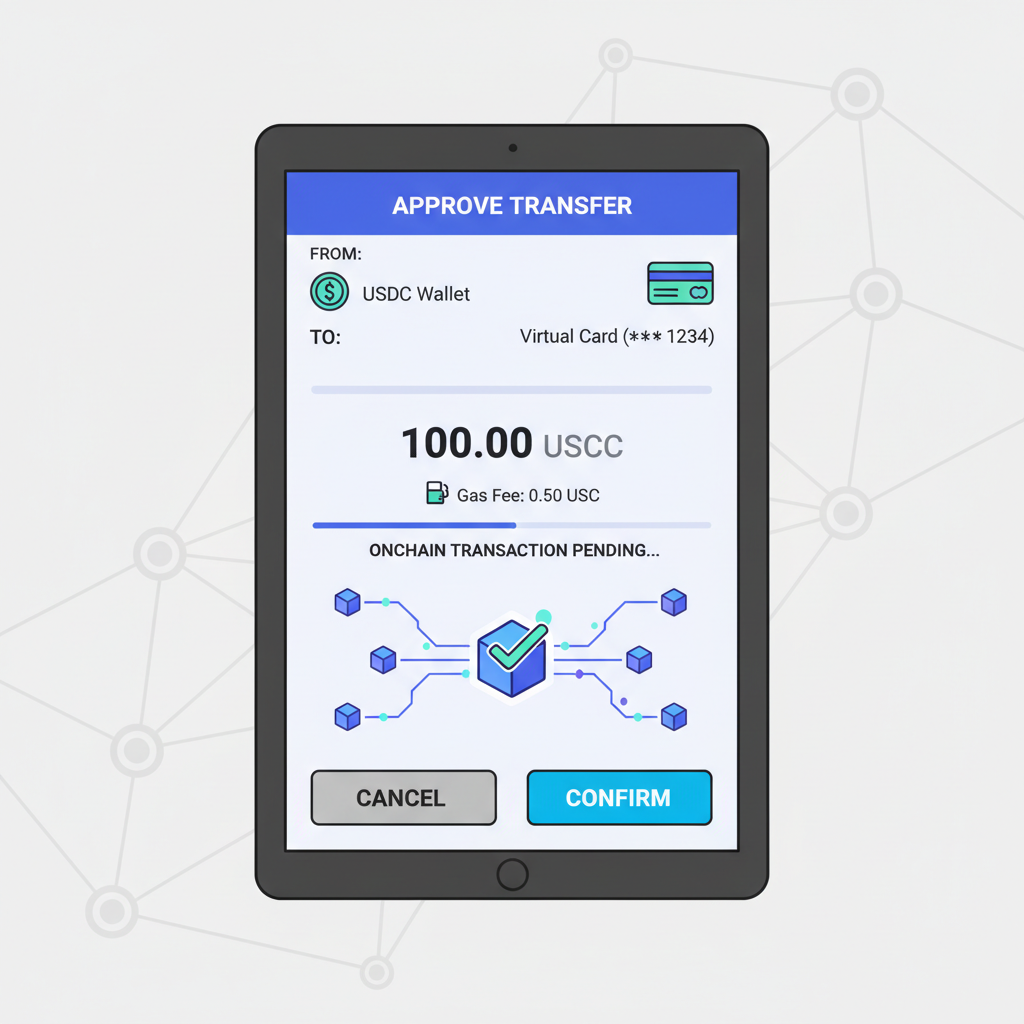
With your wallet primed, the top-up process unfolds with precision, leveraging smart contracts for atomic execution. StableCardTopUp. com streamlines this into a three-click affair, where USDC approval triggers instant card generation. No pre-funding pools; your balance stays onchain, debited only upon merchant settlement. This architecture appeals to conservative investors wary of idle exposures.
Step-by-Step Onchain Top-Up Execution
Onchain USDC Top-Up: Secure Virtual Visa Card Guide

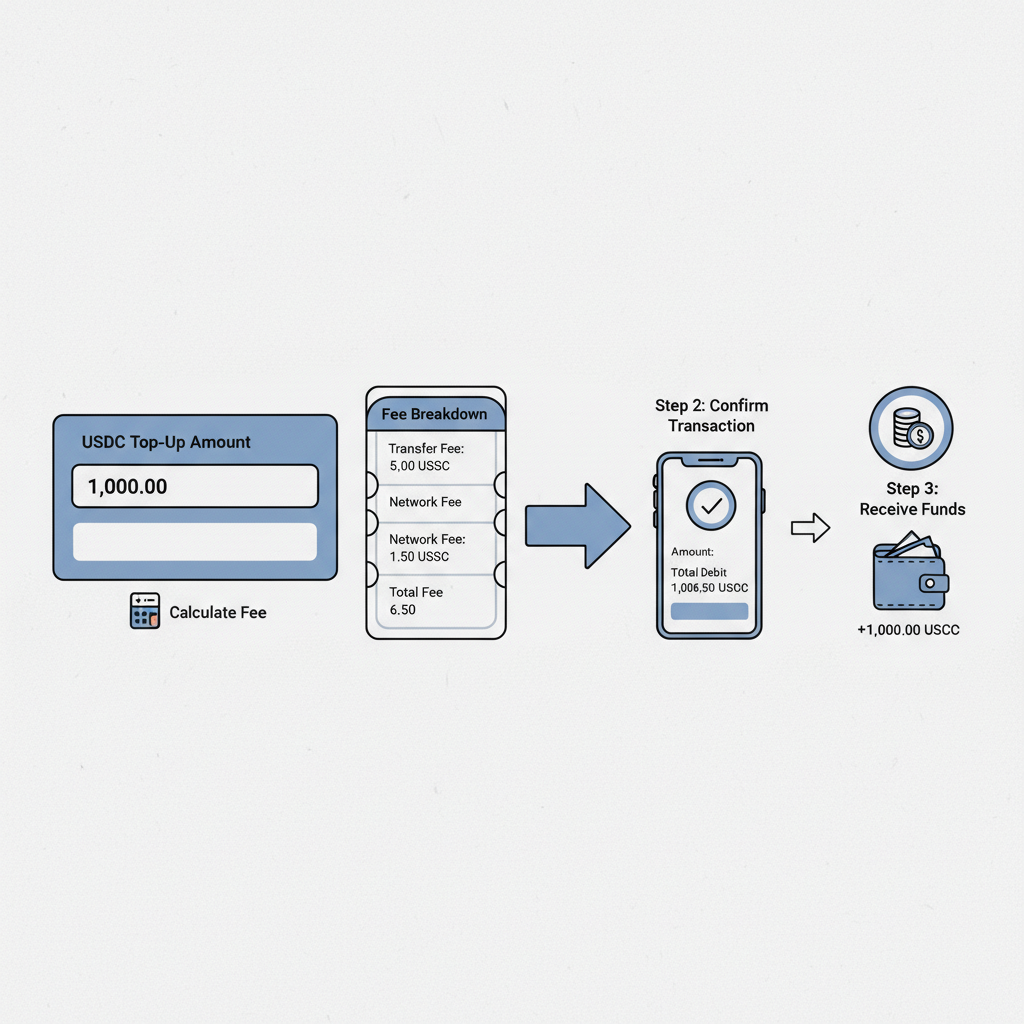
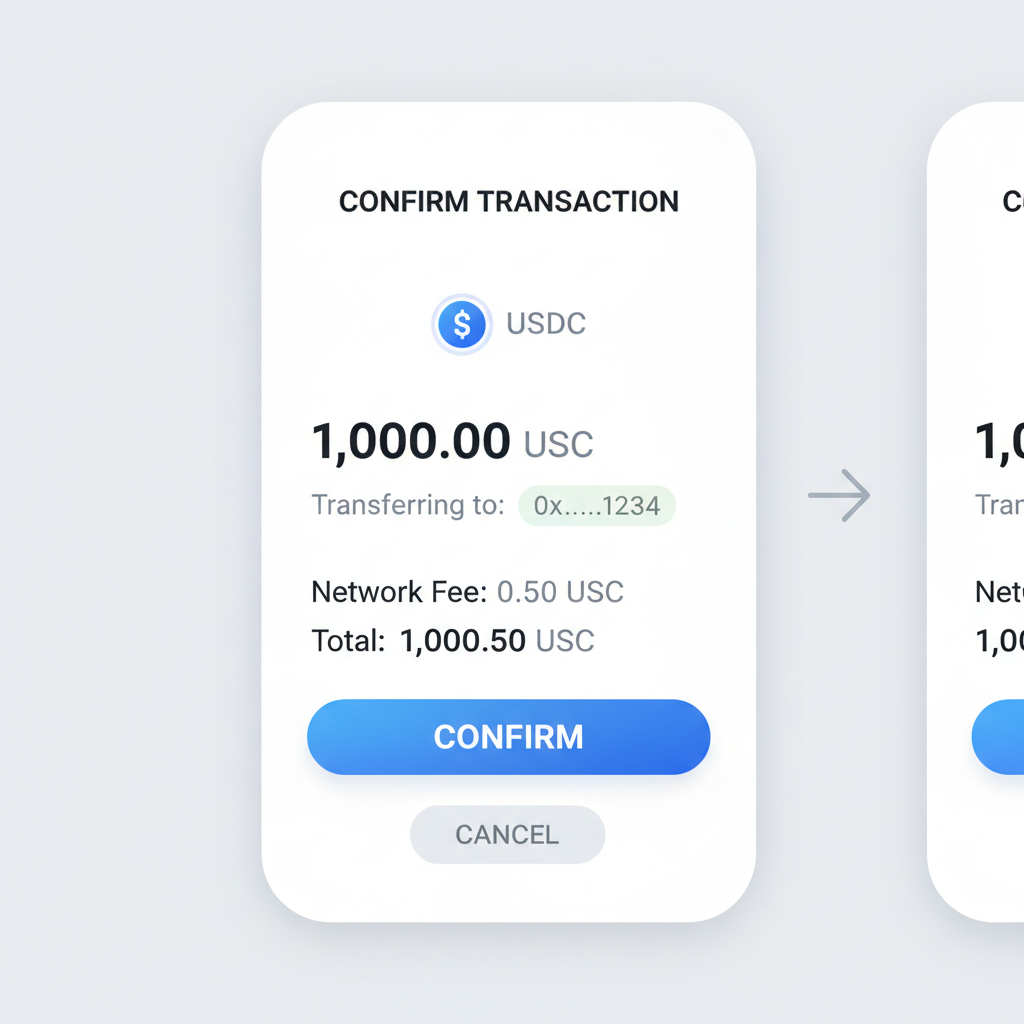

Fees merit close inspection. At 0.5% for USDC, comparable to Cypher's structure, these costs pale against exchange spreads often exceeding 1-2%. Tangem Pay's Polygon focus suits low-volume users, yet multichain support on StableCardTopUp. com accommodates Ethereum loyalists despite higher gas. Multichain Bridged USDC on Fantom, hovering at $0.0187 with a 24-hour uptick of $0.000440 or 0.0240%, illustrates bridged asset dynamics, but native USDC ensures peg fidelity for spending reliability.
Instant USDC Top-Up to No-KYC Virtual Debit Cards: Onchain Guide
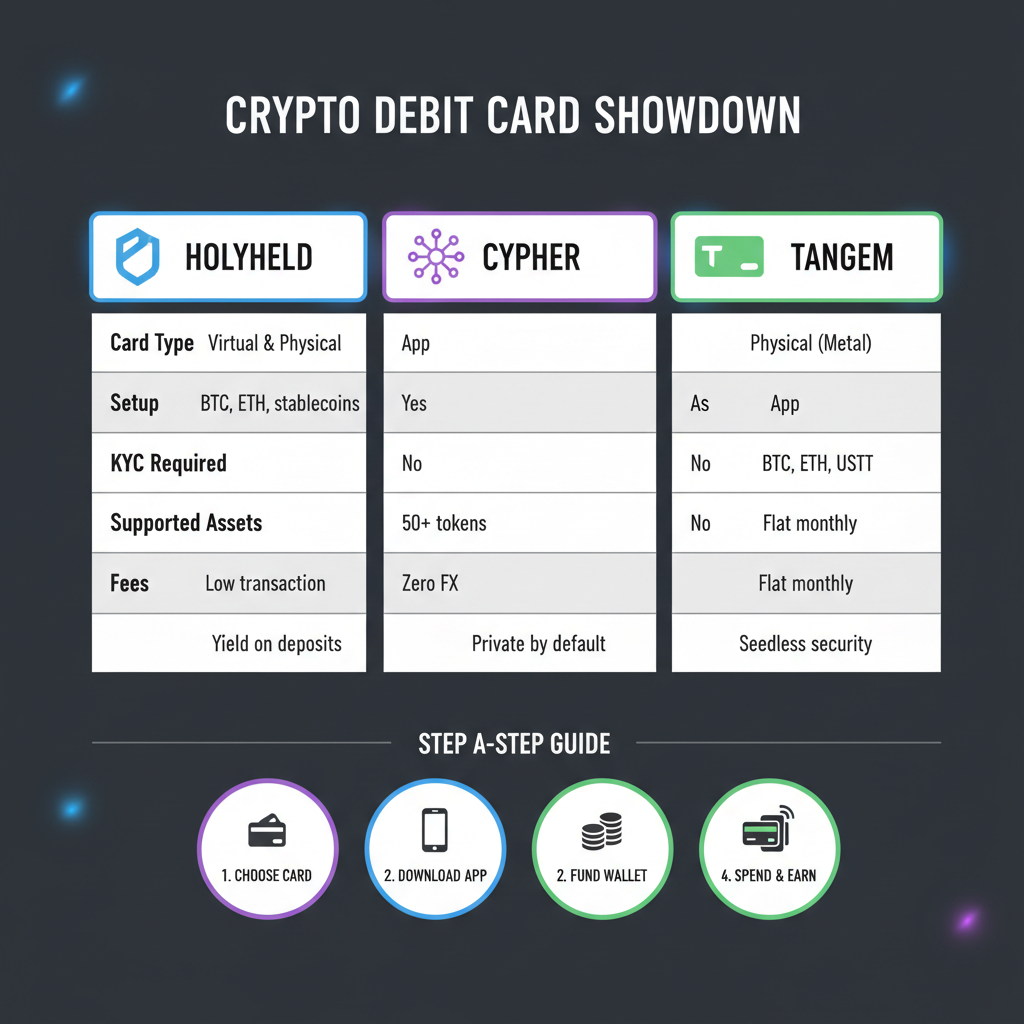
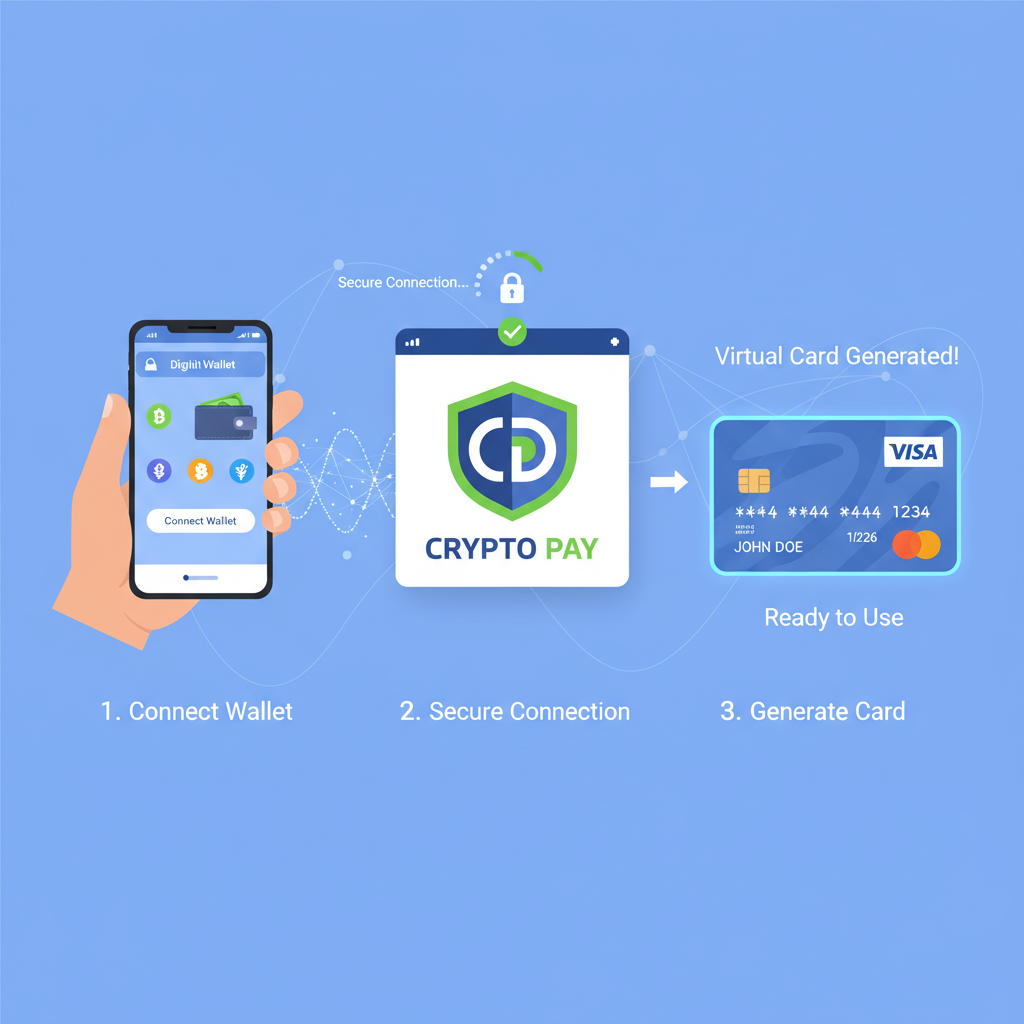
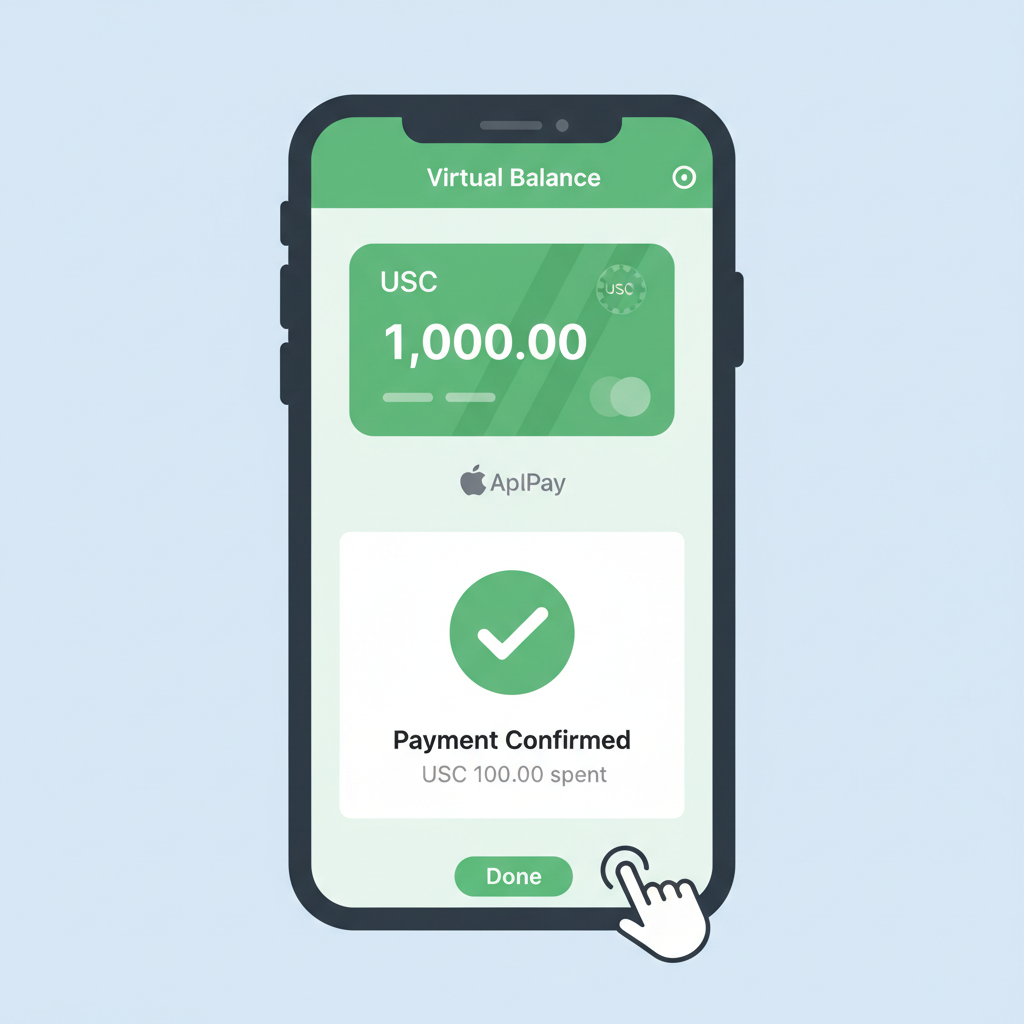
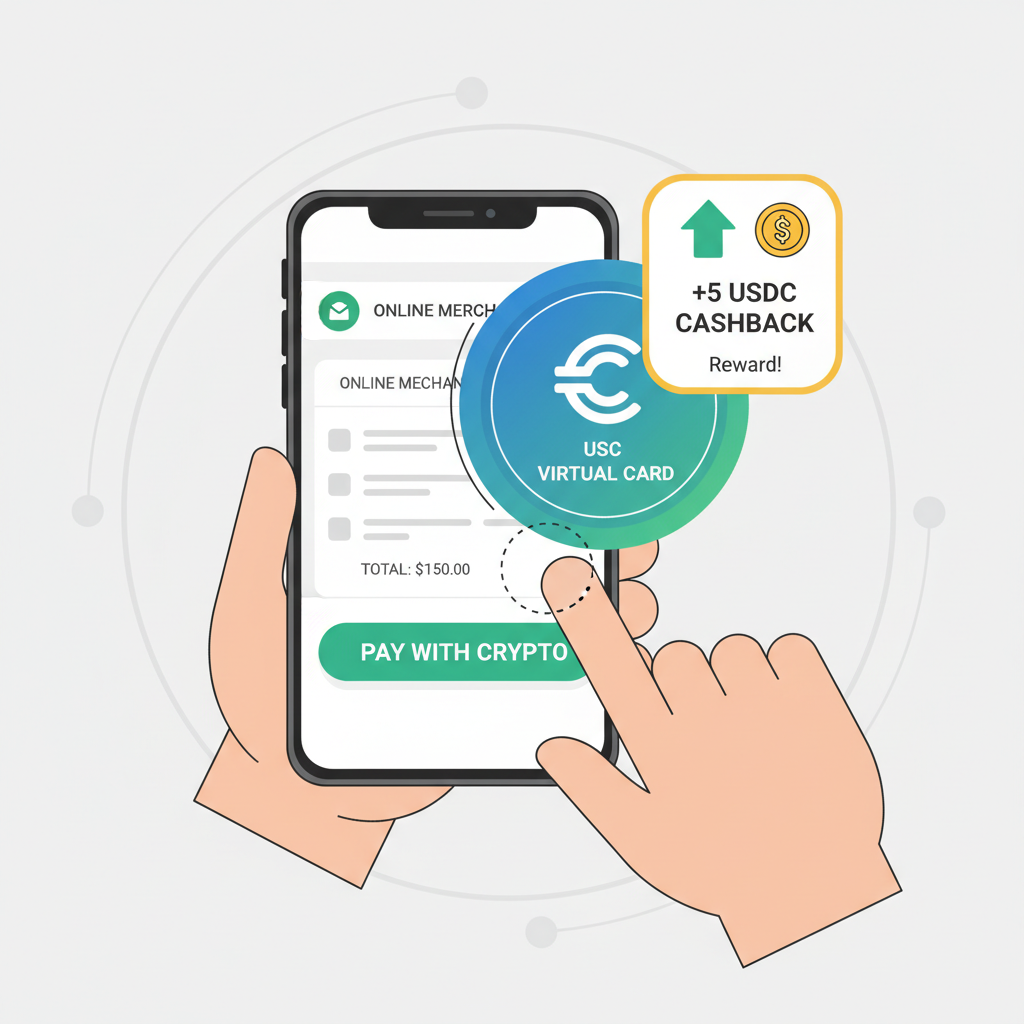
Post-top-up, virtual cards integrate seamlessly with digital wallets. Apple Pay provisioning allows contactless payments at 150 million merchants, mirroring KAST's global footprint without their hybrid custody model. Bitrefill's USDC deposits convert to EUR balances, introducing peg risk absent in pure onchain flows. Privacy advocates favor no-KYC options like Satsrefill's anonymous Visa cards, funded crypto-direct, aligning with Reddit sentiments on uncash. io's speed.
Risk Mitigation in Stablecoin Card Ecosystems
Conservative deployment demands vigilance. Smart contract audits from firms like PeckShield underpin platforms like Holyheld, where 1% USDC cashback offsets minor volatilities. Yet, oracle dependencies in redemption could falter during chain congestion; allocate modestly, monitoring gas trends. StableCardTopUp. com's insurance backstops add ballast, safeguarding against exploit vectors that felled prior entrants.
| Platform | USDC Fee | Chains | Cashback |
|---|---|---|---|
| StableCardTopUp. com | 0.5% | EVM Multi | Up to 1% |
| Cypher | 0.5% | ETH, Base | None |
| Tangem Pay | Low | Polygon | None |
| Holyheld | ~1% | EVM | 1% USDC |
Opinionated take: while Bitget Wallet Card eyes physical issuance, virtual primacy endures for online dominance. No-KYC purity, as in Bitget's blockchain rails, resonates, but StableCardTopUp. com's fee transparency and multichain agility position it ahead. Everyday scenarios - groceries via Google Pay, SaaS subscriptions - actualize 'liquidity without limits, ' converting DeFi yields to tangible utility.
Forward-looking, as stablecoin volumes swell, expect refined oracles and L2 optimizations to compress fees further. Multichain Bridged USDC's $0.0187 perch signals ecosystem maturation, albeit core USDC's $1 peg anchors reliability. For CFA-minded allocators, this conduit bridges onchain efficiency to fiat spend, prudently harnessing crypto's spendable frontier.




No comments yet. Be the first to share your thoughts!