
How instant stablecoin reloads work
When a card issuer advertises "instant" top-ups, the speed usually comes from internal accounting, not on-chain settlement. The card network settles fiat with the merchant in milliseconds. Behind the scenes, the issuer bridges your crypto to that fiat balance using its own liquidity pool. This separation allows you to spend the moment you confirm the transaction, even if the blockchain confirmation takes longer.
True on-chain swaps are slow. A direct transfer of USDC or USDT from your wallet to the card issuer’s address requires network confirmations that can take minutes or hours. During that window, the funds are not yet available for spending. To solve this, providers like STABLE act as a middleman. They credit your card balance immediately upon seeing your initiation, then settle the actual crypto transfer in the background.
Instant reloads typically rely on internal liquidity pools rather than direct blockchain transactions to the card issuer.
This model creates a user experience that feels identical to loading a traditional prepaid card. You do not need to wait for the blockchain to finalize. However, this convenience depends on the issuer’s ability to maintain sufficient fiat reserves. If the issuer’s internal pool runs low, the "instant" guarantee can fail, leaving you waiting for the actual crypto transfer to complete.
Some platforms, such as VaultLeap, take a different approach by allowing direct spending from self-custodial wallets. This eliminates the top-up step entirely. While this avoids the liquidity pool delay, it requires the issuer to handle on-chain gas fees and transaction monitoring for every single purchase. For most users, the internal pool model remains the standard for instant, frictionless spending.
Top picks for instant stablecoin reloads
When you need to move money from crypto to a physical card without waiting for bank settlements, the mechanism matters. Most traditional prepaid cards treat reloads as separate transactions, creating friction between your wallet and your spending power. The best options for 2026 bridge that gap by allowing direct funding from stablecoin holdings.
STABLE Visa Prepaid Card
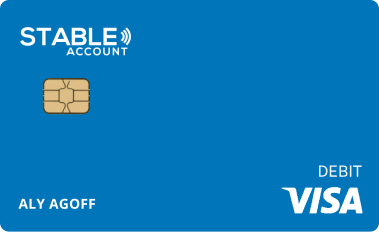
The STABLE Visa Prepaid Card stands out for its straightforward integration with government benefits and direct stablecoin funding. You can load the card directly from a connected bank account or stablecoin wallet, making it a practical choice for those who want instant access to their funds. The card is accepted everywhere Visa is, providing broad utility for daily expenses. While delivery of the physical card takes 6-8 business days, the loading process itself is designed to be immediate once the account is active.
VaultLeap Prepaid Debit Visa Card
For users who prefer to keep their funds in self-custody, the VaultLeap Prepaid Debit Visa Card offers a different approach. It spends directly from your self-custodial wallet, eliminating the need for separate top-ups or maintaining a distinct card balance. This method reduces the friction of moving money into a third-party account, as the card acts as a direct interface to your stablecoin assets. It is particularly useful for those who prioritize control over their assets while still needing the convenience of a physical debit card for in-person transactions.
Finding the Right Card
Choosing the right card depends on your specific needs for speed and control. If you need a traditional prepaid card with easy loading options, STABLE is a strong candidate. If you prefer to keep your funds in your own wallet, VaultLeap provides a seamless spending experience. Both options address the core need for instant stablecoin funding, ensuring you can spend your crypto without delay.

As an Amazon Associate, we may earn from qualifying purchases.
Fees and security features compared
Choosing a stablecoin debit card requires looking past the marketing promise of "free crypto spending." The real cost lies in the transaction fees, withdrawal limits, and the specific security protocols that protect your funds. We compare the STABLE Visa and the Bybit Card to show how their structures differ.
STABLE Visa
The STABLE Visa focuses on simplicity and avoiding hidden overdraft costs. If you try to spend more than what is on your card, the transaction is simply declined. There are no overdraft fees, which prevents the common trap of dipping into funds you do not have. The card links directly to your stablecoin balance, making top-ups instant. Security relies on standard Visa network protections and two-factor authentication for app access.
Bybit Card
The Bybit Card offers a different approach with higher potential rewards but a more complex fee structure. It supports multiple stablecoins and offers cashback in crypto, which can offset transaction costs if you hold the assets long-term. However, users must manage the volatility of the reward token if they do not convert it back to stablecoins immediately. Security features include biometric login and device binding to prevent unauthorized access.
Side-by-side comparison
The table below highlights the key differences in fees and security. Note that limits and fees can change; always check the official provider terms before linking your wallet.
| Feature | STABLE Visa | Bybit Card |
|---|---|---|
| Overdraft Fees | None (declined) | Variable |
| Top-up Speed | Instant | Instant |
| Cashback | None | Crypto rewards |
| Security | 2FA | Biometric + Device binding |
What to watch for
When evaluating these cards, look for annual maintenance fees or inactivity penalties. Some cards charge a fee if you do not use the card for a certain period. Additionally, check the foreign transaction fee if you plan to travel. The STABLE Visa has no overdraft fees, which is a significant advantage for budget control. The Bybit Card’s cashback is only valuable if you actively use the card and manage the reward tokens efficiently.
STABLE account contribution limits explained
STABLE accounts (Savings Tool for ABLE Limited-Entity Accounts) operate under federal ABLE Act guidelines, which differ significantly from standard debit card spending limits. When you top up a STABLE-linked debit card, you are moving funds from a tax-advantaged savings vehicle that has strict annual contribution caps.
The baseline annual contribution limit for 2026 is $20,000 per beneficiary. This cap applies to the total amount deposited into the account across all sources, including gifts, family contributions, and personal deposits. Once this $20,000 threshold is reached, no further contributions can be made until the next calendar year begins.
However, there is an important exception for working beneficiaries. Under the ABLE to Work Act, individuals who are employed and earning income may contribute additional funds beyond the standard $20,000 limit. For 2026, this extra allowance is set at $15,650. This means a working beneficiary could potentially contribute up to $35,650 in a single year, provided the additional funds come from earned income and do not exceed the federal poverty line for a one-person household.
It is critical to distinguish these contribution limits from daily transaction limits. While your ability to fund the account is capped by IRS rules, your ability to spend those funds via the debit card is governed by the card issuer’s daily ATM or point-of-sale limits. Always verify the specific spending caps with your card provider, as these are separate from the STABLE account’s savings contribution rules.
Frequently asked questions about STABLE accounts
The STABLE Act is designed to help people with disabilities save money without losing public benefits. Understanding the contribution rules and available tools is essential for maximizing these accounts.
What is the maximum contribution limit for a STABLE account in 2026?
In 2026, the standard annual contribution limit for a STABLE account is $20,000. This cap applies to the total amount contributed by you, your family, or other sources within a single calendar year. This limit is set by federal law and applies to all STABLE account holders regardless of their state of residence, though some states may have additional matching programs.
Can you contribute more if you are working?
Yes. If you have earned income, the ABLE to Work Act allows you to contribute significantly more. As of 2026, you can contribute an additional $15,650 on top of the standard $20,000 limit. This extra contribution is based on your federal poverty guideline for a one-person household. This provision is critical for those who want to save more while remaining employed.
Is there a free reloadable Visa card for STABLE accounts?
While STABLE accounts themselves do not issue a "free" card by default, many account providers offer debit cards that can be linked to the account. These cards allow for easy spending and tracking of qualified disability expenses (QDEs). Some providers may charge monthly fees or transaction fees, so it is important to check with your specific provider. Look for cards that offer fee waivers if you maintain a certain balance or use direct deposit.
What is the maximum annual contribution limit for a STABLE account in Ohio?
Ohio follows the federal guidelines for STABLE accounts. Therefore, the maximum annual contribution limit in Ohio is also $20,000 for non-working account holders, or up to $35,650 ($20,000 + $15,650) for those with earned income. Ohio does not currently offer a state-level tax deduction for contributions, but the funds grow tax-free and can be withdrawn tax-free for qualified expenses.
No comments yet. Be the first to share your thoughts!