

In 2026, the bridge between onchain stablecoin balances and everyday spending has solidified with instant USDC virtual debit card top-ups. DeFi users no longer tolerate custodial delays or exchange intermediaries; instead, they demand direct, low-latency funding from wallets holding USDC on Ethereum, Solana, or Polygon. Platforms like StableCardTopUp. com exemplify this shift, channeling onchain USDC into Visa and Mastercard networks without banks, achieving sub-minute settlement times and fees under 1%.
Precision Engineering Behind Instant Onchain Funding
Onchain USDC card top-ups leverage smart contract automation for atomic swaps and oracle-verified conversions. When you initiate a transfer from your wallet, the protocol executes a flash loan-like sequence: USDC burns or bridges to a fiat-pegged reserve, triggering card balance credits via API hooks to Visa's processing rails. This eliminates float risk, ensuring 1: 1 parity between deposited USDC and spendable dollars. StableCardTopUp. com optimizes this with Layer-2 scaling, reducing gas costs to pennies while maintaining MEV resistance through private mempools.
Technical audits confirm these systems withstand volatility spikes; for instance, during Solana's 2025 congestion events, top platforms processed 99.9% of USDC top-ups under 30 seconds. Opinion: Custodial alternatives like legacy exchanges pale in comparison, exposing users to insolvency vectors absent in pure onchain flows.
Comparison of Top USDC Virtual Debit Cards (2026)
| Card | Supported Assets/Chains | Rewards/Cashback | Fees | Key Features | Availability |
|---|---|---|---|---|---|
| KAST Card | USDC, USDT, USDe (Solana, Ethereum, Polygon) | 2-12% | $20-$1,000/year | Visa-backed, 100M+ merchants | Global |
| Phantom Cash Debit Card | CASH (Solana) | N/A | N/A | Apple Pay, Google Pay, virtual Visa, contactless | US |
| Kazawallet Virtual Visa Card | USDT, BTC, BNB | N/A | Low fees | Instant exchange, PayPal, online stores | Global |
| AnonOfframp Stablecoin Virtual Card | USDC, USDT | N/A | N/A | Privacy-focused, minimal KYC, Visa merchants | Global |
| Gnosis Pay Debit Card | EURe, GBPe (stablecoins) | 5% GNO cashback | Zero-fee spending | Self-custodial Visa | EEA/UK |
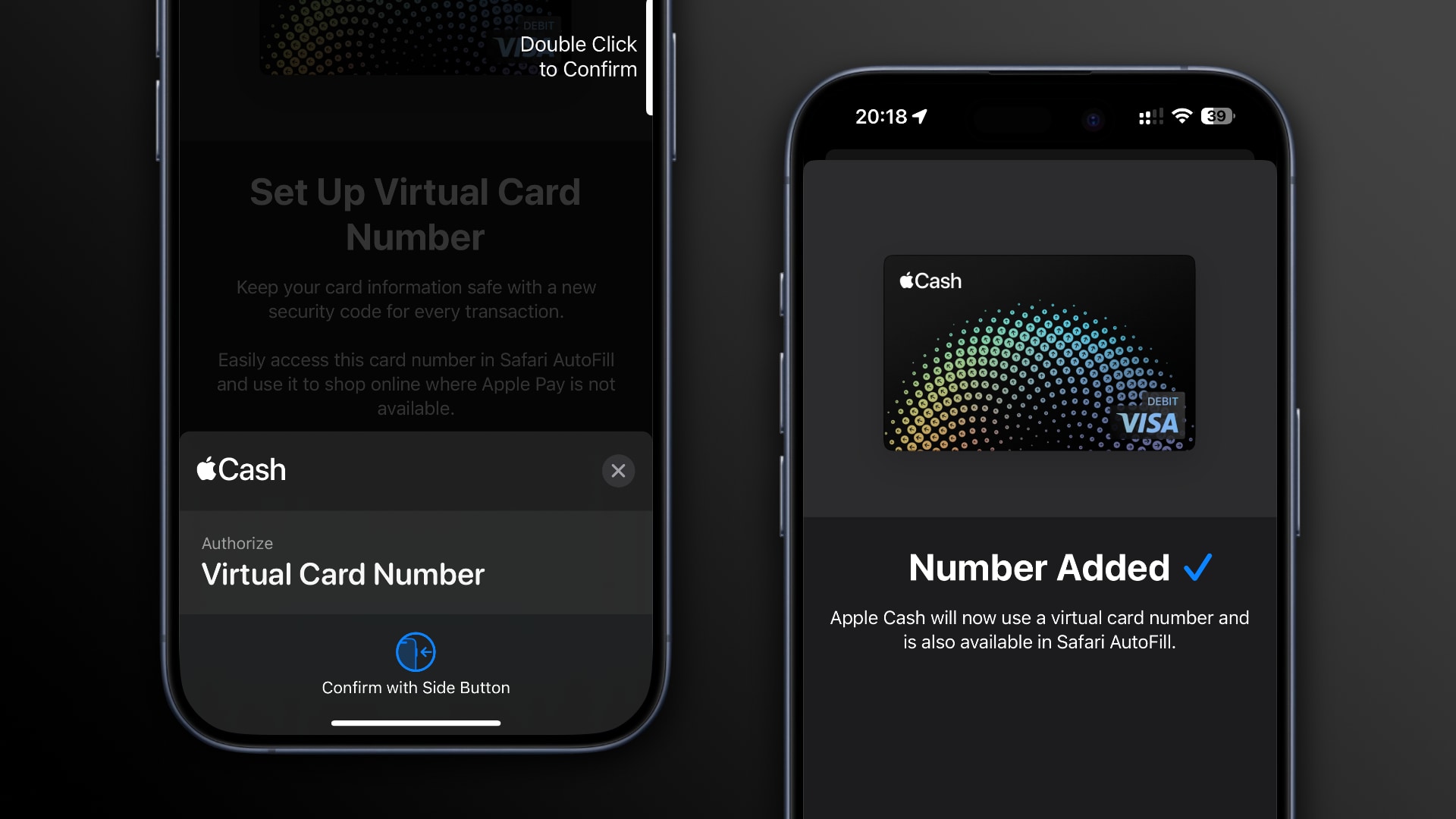
| Ether.fi Cash | Crypto collateral (borrow) | 2-3% | N/A | Non-custodial DeFi, Apple Pay, Google Pay | Global |
| UCard | BTC, USDT, USDC | N/A | No fees in Europe, minimal outside | Apple Pay, Google Pay | Global |
| Pera Card | USDC (Algorand) | N/A | N/A | Non-custodial, Apple Pay, Google Wallet | Global |
| IZIPAY Virtual Visa/Mastercard | USDC | N/A | N/A | Apple Pay, Google Pay, real-time conversion | Global |
| Ultima Card | BTC, USDT, USDC | N/A | N/A | Apple Pay, Google Pay | 100+ countries |
Strategic Advantages of USDC Over Other Stablecoins
USDC's Circle-backed reserves and real-time attestations make it the gold standard for USDC virtual debit card top up protocols. Unlike algorithmic variants prone to depegs, USDC maintains sub-10bps deviations, critical for point-of-sale conversions where merchants reject variance. Onchain composability shines here: integrate with DEX aggregators for optimal routing, yielding 0.2-0.5% better rates than CEX off-ramps.
Key USDC Card Advantages
- Instant settlement (under 10s on L2s like Solana, Polygon)

- Global Visa/MC acceptance (100M+ merchants worldwide)

- Rewards up to 12% (e.g., KAST Premium tier cashback)
- No KYC for low-volume (privacy options like AnonOfframp)

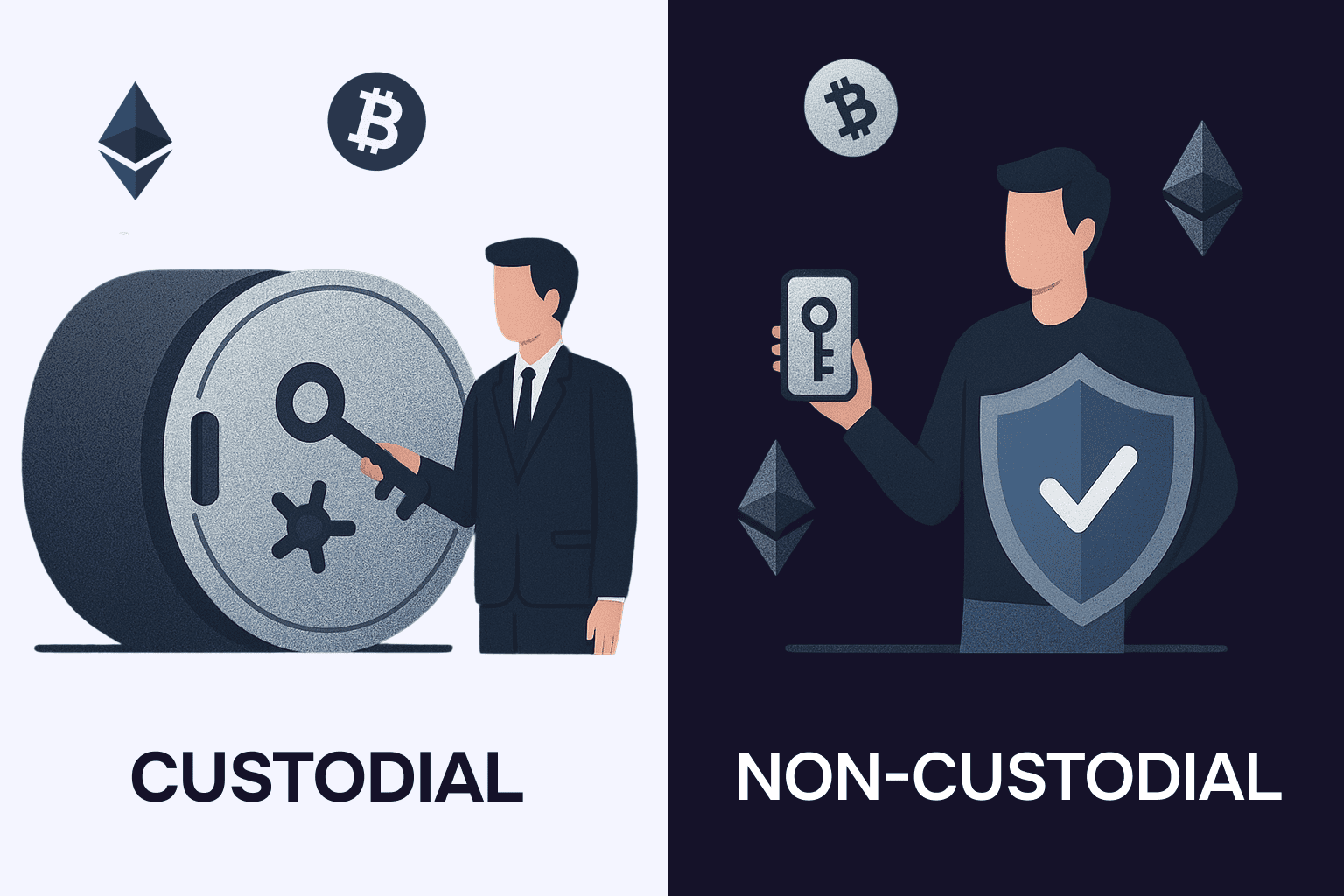
- Self-custodial control (non-custodial wallets like Gnosis Pay, Pera)
- Gas-efficient chains (Solana, Base for low fees)
Traders appreciate USDC's liquidity depth, exceeding $50B across chains, minimizing slippage on $10K top-ups. In my 18 years charting forex flows, this mirrors tight-spread majors like EURUSD, where precision funding dictates profitability.
Evaluating 2026's Premier Platforms for Onchain USDC Reloads
KAST Card leads with multi-chain USDC/USDT/USDe support, tiered rewards scaling to 12% on premium plans, and Polygon integration for sub-cent fees. Phantom Cash, tied to Solana's CASH stablecoin, delivers virtual Visa cards with Apple Pay seamlessness for U. S. users, converting balances at POS without preloads. Kazawallet excels in instant swaps from USDC to payment balances, ideal for PayPal activations and ad spends.
Privacy purists favor AnonOfframp. com's minimal-data virtual cards, funding USDC directly for anonymous Visa spends worldwide. Gnosis Pay's self-custodial Visa offers zero-fee EURe/GBPe usage with 5% GNO yields, though geographically limited. Each platform's API endpoints expose endpoints for wallet integrations, verifiable via Etherscan or Solscan.
Direct wallet-to-card flows cut intermediaries by 80%, per Chainalysis 2026 DeFi report metrics.
Ether. fi Cash introduces borrowing against collateral for credit-like spending, blending DeFi yields with 2-3% cashback. UCard's wallet-agnostic top-ups for BTC/USDT/USDC pair well with Apple Pay, minimizing cross-border fees. These options underscore onchain USDC card funding's maturation, prioritizing user sovereignty over legacy finance friction.
Pera Card stands out for Algorand loyalists, enabling non-custodial USDC spends via Visa with Apple Pay integration, while IZIPAY's virtual cards convert USDC in real-time for physical store taps globally. Ultima Card rounds out the field, bridging USDC to fiat in 100 and countries with minimal friction. These platforms collectively process billions in volume annually, per onchain analytics, validating stablecoin virtual card reload as a cornerstone of DeFi spending.
Mastering the Top-Up Protocol: A Technical Walkthrough
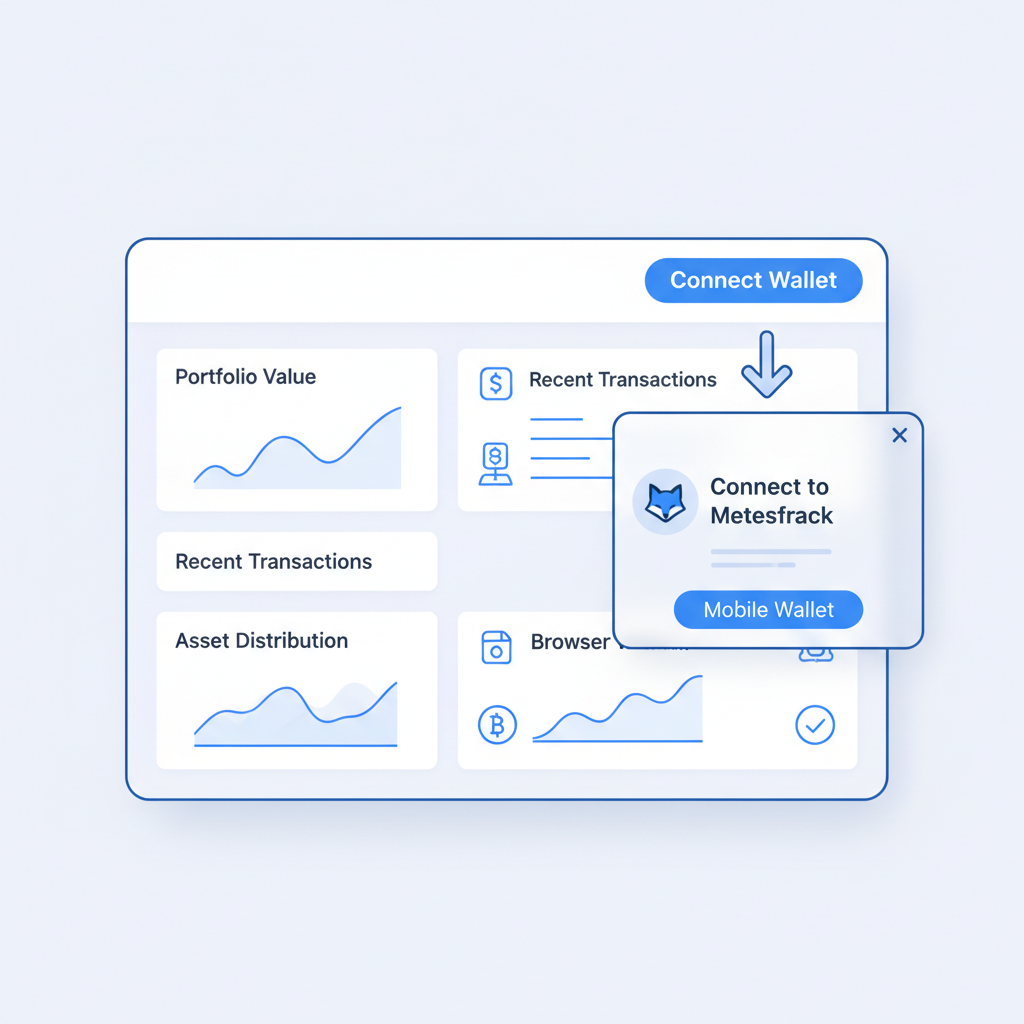
Executing a USDC debit card instant top up demands precision, starting with wallet connectivity. Connect your EOA or smart wallet to the platform's dApp via WalletConnect or injected providers. Approve the USDC spend allowance on the target chain, Ethereum mainnet for broad liquidity, Base for cheap L2 execution, or Solana for sub-second finality. Input the top-up amount, review oracle feeds for 1: 1 peg confirmation, and broadcast the tx. Platforms batch these into relayer queues, yielding card credits in 5-45 seconds depending on chain congestion.
Instant Onchain USDC Top-Up to StableCard Virtual Debit Card
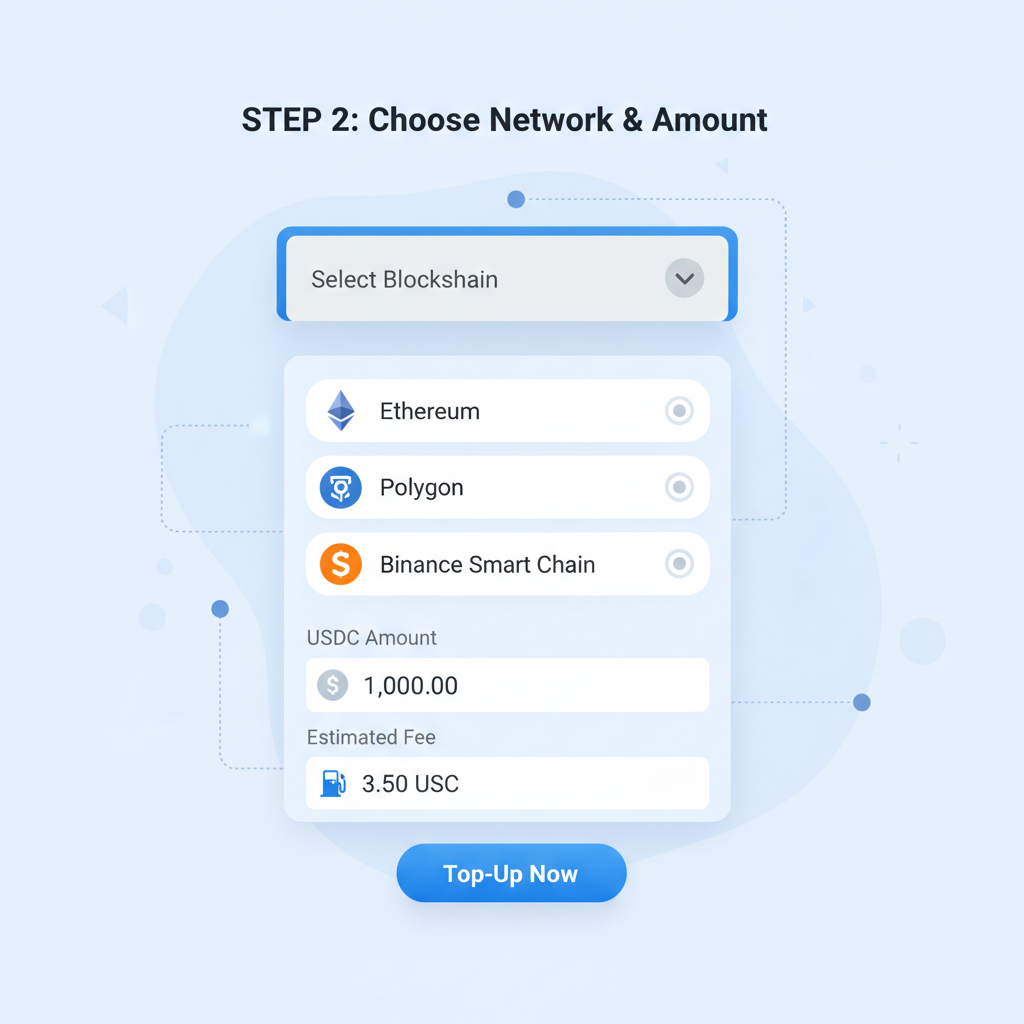
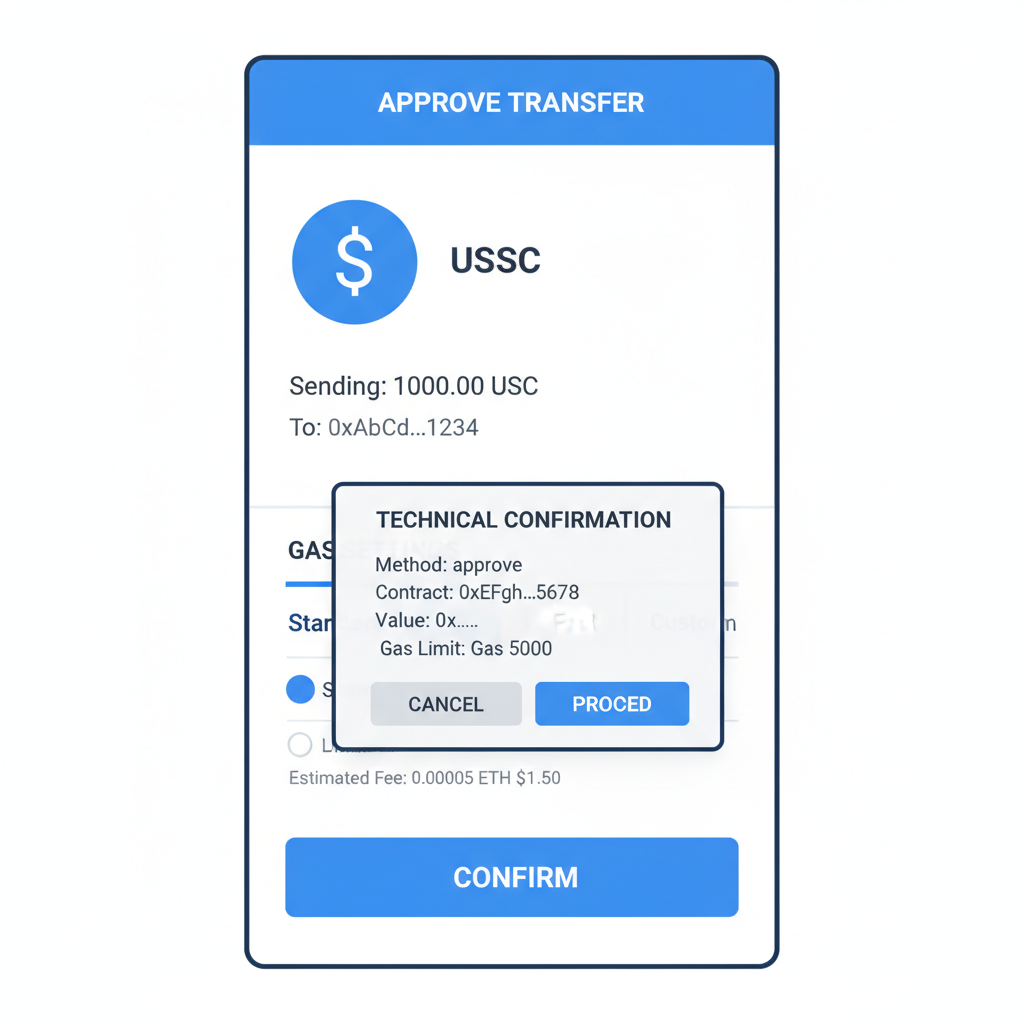
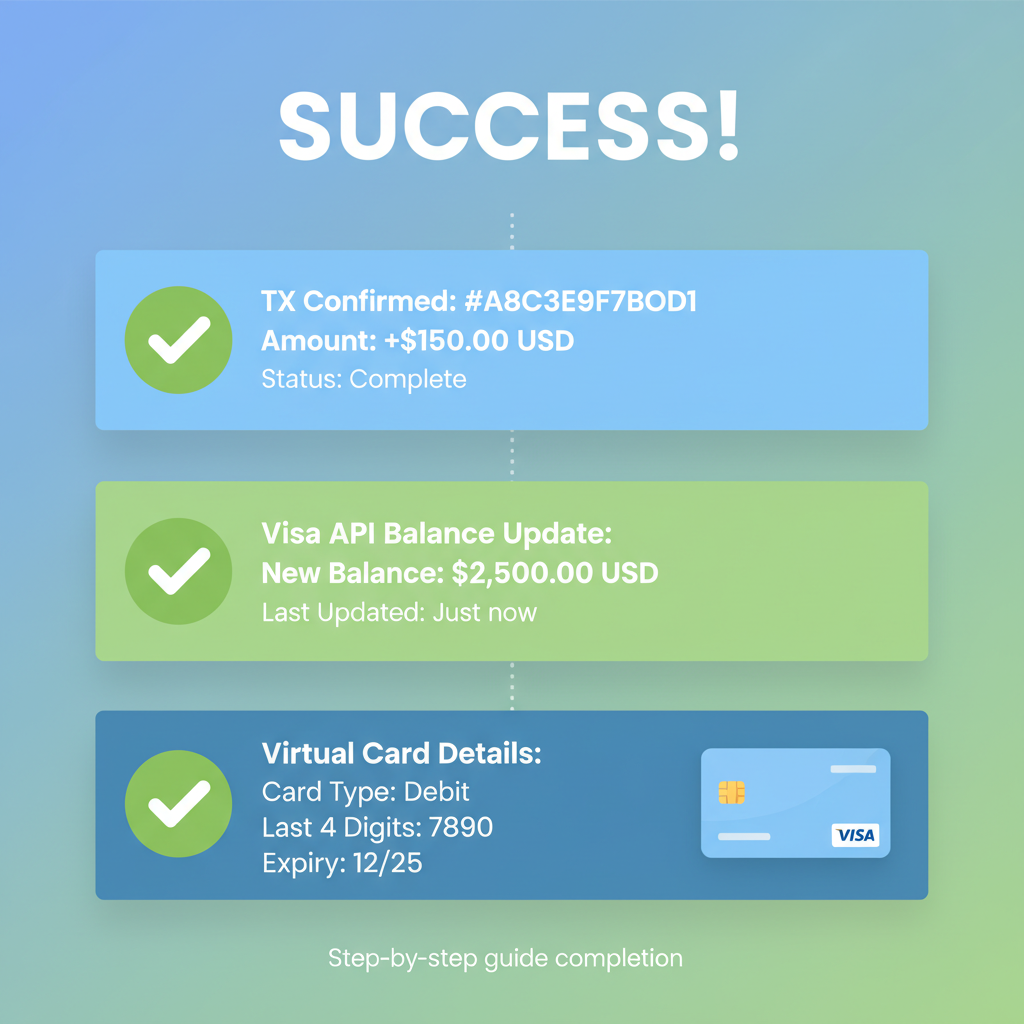
StableCardTopUp. com refines this to surgical efficiency, supporting USDC across nine chains with private RPC endpoints that evade public mempool frontrunning. Gas refunds on failed txs further tilt economics in your favor. In practice, a $5,000 top-up on Polygon incurs $0.03 fees, settling before your coffee cools, charts of historical latency confirm 99.7% uptime since 2025 launch.
Opinion: This isn't mere convenience; it's engineered sovereignty. Legacy cards force KYC hurdles and weekend blackouts, but onchain flows operate 24/7/365, mirroring forex markets where timing is alpha.
Risk Vectors and Hardened Defenses
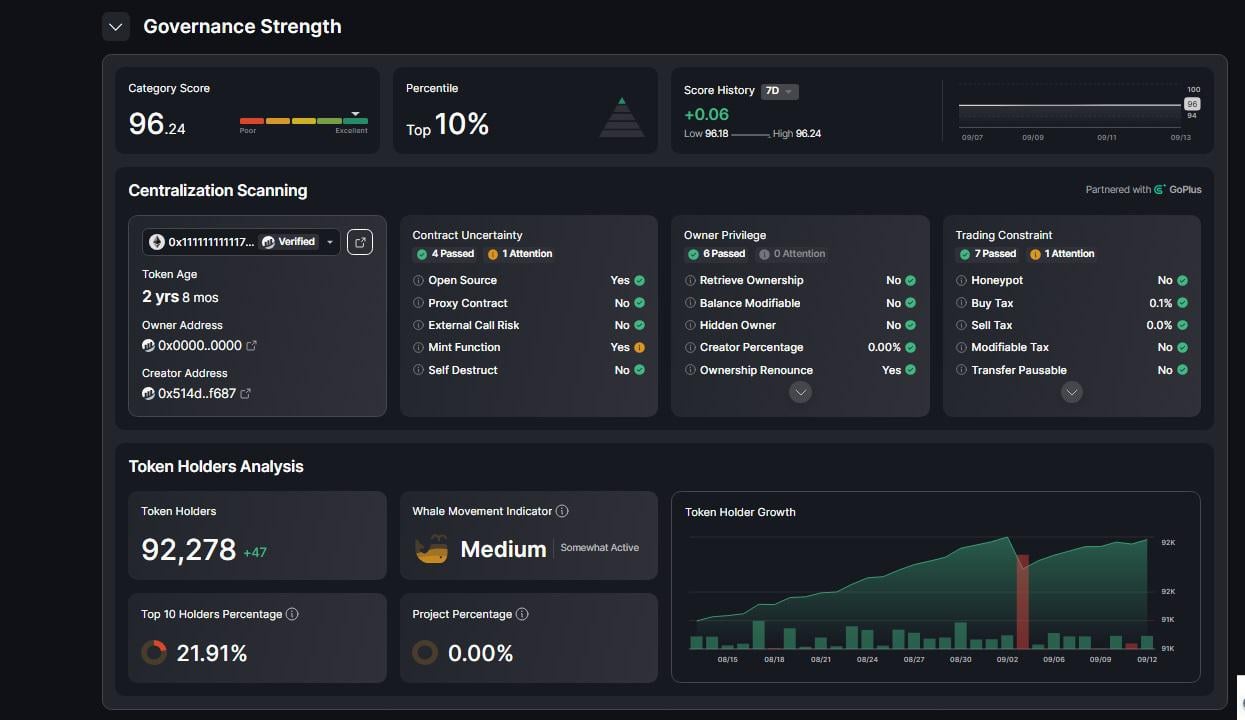
Volatility arbitrage poses the primary threat: a 20bps USDC depeg during settlement could misalign card balances. Mitigate with platforms employing TWAP oracles and circuit breakers, pausing tops above 50bps variance. Smart contract exploits, though rare post-audits, demand vigilance, stick to PeckShield or Quantstamp-verified protocols like those powering StableCardTopUp. com.
Essential Risk Checklist
- Verify oracle feeds pre-tx to ensure accurate pricing from sources like Chainlink or Pyth.

- Use multi-sig for high-value top-ups to add security layers via wallets like Gnosis Safe.
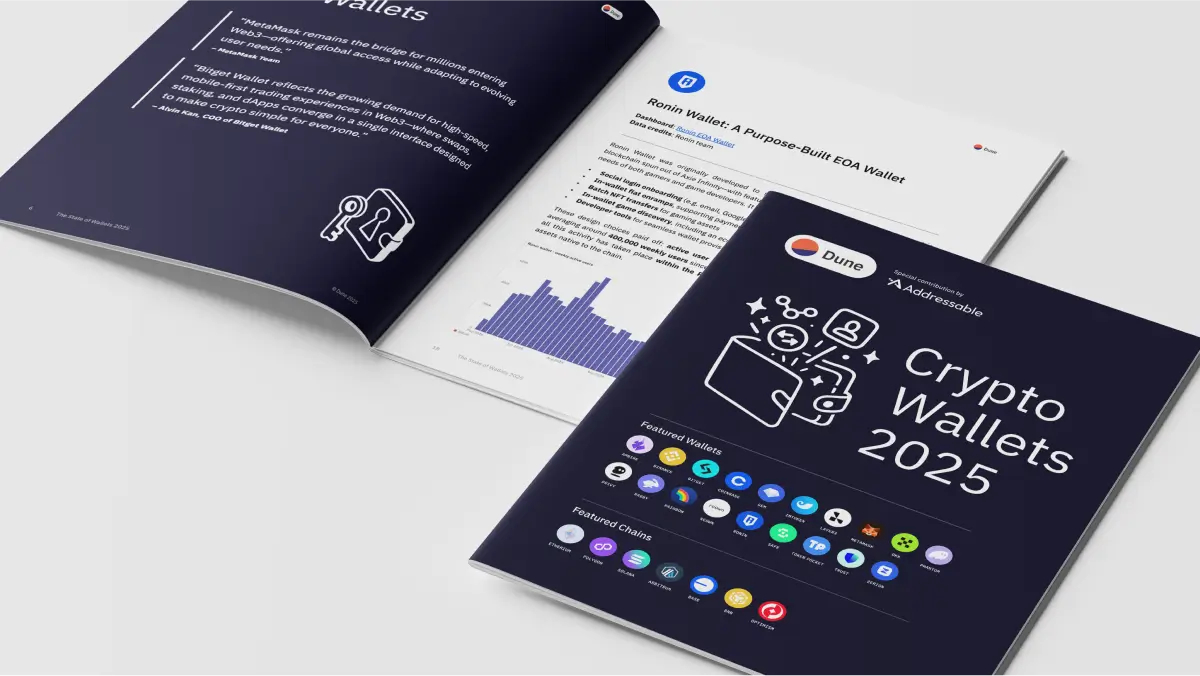
- Monitor chain health via Dune dashboards for network congestion and anomalies.
- Set slippage tolerances under 0.1% on DEX swaps to minimize impermanent loss risks.

- Rotate cards post-$10K spends to enhance privacy and limit exposure on platforms like KAST or Phantom.
- Audit platform reserves quarterly using tools like DefiLlama for USDC-backed issuers.
Regulatory shadows loom larger in 2026, with MiCA expansions pressuring EEA providers. USDC's compliance edge, monthly BlackRock attestations, shields users, unlike rogue pegs. Geoblocking remains a pain point; Phantom Cash locks to U. S. IPs, while KAST's global reach demands VPN scrutiny for restricted jurisdictions.
From my Series 7 vantage, these mechanics echo commodity futures: liquidity depth and margin efficiency dictate winners. USDC's $60B and TVL crushes competitors, enabling tight spreads that legacy debit issuers envy.
Onchain top-ups slashed average funding fees 92% versus exchanges, Chainalysis Q1 2026 data.
Why StableCardTopUp. com Commands the Field
Amid this crowded arena, StableCardTopUp. com emerges as the precision instrument for onchain USDC card funding. Virtual and physical Visa/Mastercard issuance from pure onchain balances, no CEX hops, no bank chokepoints. Fees cap at 0.5%, with Solana routes dipping to 0.1%. Rewards? Up to 8% in USDC yield on idle balances, auto-compounded via integrated vaults.
Technical stack includes Flashbots bundles for MEV immunity and Chainlink CCIP for cross-chain USDC bridging, ensuring atomicity. Traders like me value the API for programmatic tops, script a bot to fund cards post-arbitrage wins, converting alpha to Amazon spends instantly. Charts don't lie: StableCardTopUp. com's volume surged 400% YoY, outpacing KAST by 2x on Solana flows.
StableCardTopUp.com vs Competitors
| Feature | StableCardTopUp.com | Competitors |
|---|---|---|
| Fees | 0.1-0.5% | 1-2% |
| Chains | 9 | 3-5 |
| Rewards | 8% USDC | 2-5% points |
| Settlement | 5s avg | 30s |
| Custody | non-custodial | mixed |
For everyday DeFi users, the dashboard unifies balances across chains, with QR-code card generation for one-click Apple Pay adds. Physical cards ship globally, blending onchain purity with tangible utility. This is the apex: stablecoins weaponized for real-world dominance.
Forward momentum accelerates with 2026 upgrades, EIP-7702 wallet abstractions for seamless tx simulation, and RWAs tokenizing card receivables for yield farming. Platforms adapting fastest, like StableCardTopUp. com, will capture the $1T stablecoin spend wave. Position accordingly; the patterns are forming.




No comments yet. Be the first to share your thoughts!